
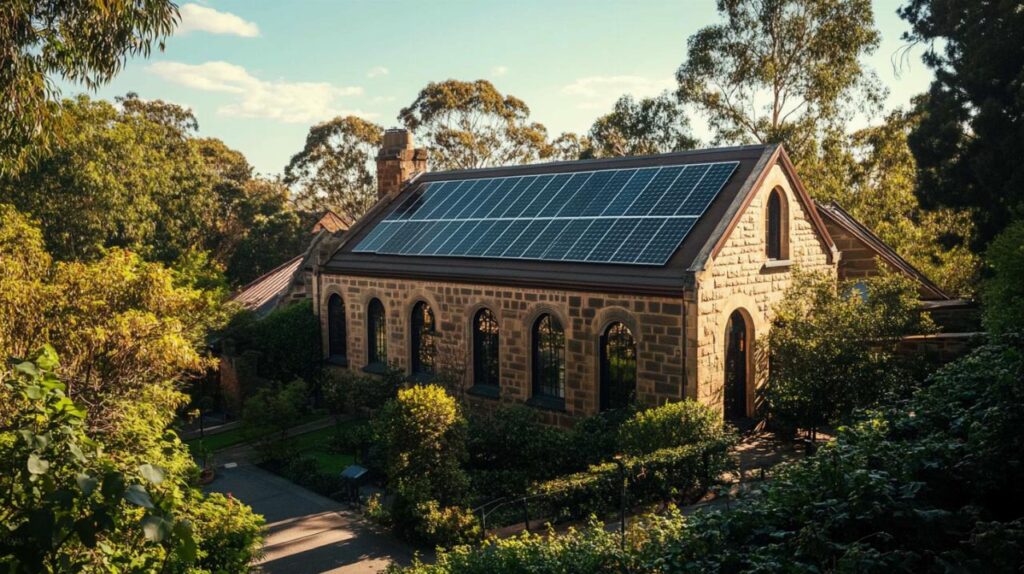
The preservation of historic buildings presents a unique challenge for modern sustainability efforts. As the United Kingdom works towards ambitious environmental targets, the question of how to enhance the performance of heritage properties without compromising their character has become increasingly important. These structures, many dating back centuries, hold immense cultural value whilst often falling short of contemporary energy standards. Finding the right balance between conservation and environmental responsibility requires innovative thinking and a deep understanding of both traditional building methods and modern technology.
Challenges and Opportunities in Retrofitting Listed Buildings for Energy Conservation
Retrofitting heritage properties for improved environmental performance is no simple task. The planning system can present significant obstacles, with complexity and delays often frustrating homeowners and developers alike. Inconsistencies among local authorities further complicate matters, as decisions on similar projects can vary widely depending on location. This lack of uniformity stems partly from a shortage of skilled staff who understand both heritage conservation and sustainability principles. When local councils lack the expertise to assess proposals effectively, the result is often hesitation or outright refusal, even when energy efficiency solutions could be implemented sympathetically.
Balancing conservation requirements with modern energy performance standards
The tension between preserving architectural integrity and meeting contemporary energy standards is at the heart of this issue. Historic homes, particularly the nearly six million buildings constructed before 1919, represent a substantial portion of the United Kingdom’s housing stock. These properties were designed in an era when thermal performance was not a primary concern, yet they now must contribute to the nation’s goal of achieving Net Zero carbon emissions by 2050. The challenge lies in upgrading these structures without erasing the very features that give them historical significance. Original windows, solid walls, and traditional roofing materials all pose unique problems for energy conservation, yet they are often the elements most worthy of protection. Navigating this delicate balance requires careful assessment and a willingness to consider bespoke solutions rather than applying standard modern approaches.
Sympathetic insulation techniques for period properties
Improving thermal efficiency in older buildings demands techniques that respect their original construction. Traditional solid walls, for instance, cannot simply be treated like modern cavity walls. Instead, internal or external insulation must be applied with careful attention to breathability and moisture management. Historic buildings were designed to allow air and moisture to pass through their fabric, and sealing them too tightly can lead to condensation, decay, and structural damage. Lime-based materials and natural insulation products such as sheep’s wool or wood fibre offer solutions that work in harmony with original construction methods. These materials allow vapour to move through the building envelope whilst still providing meaningful improvements in thermal performance. The key is understanding how heritage structures function and selecting interventions that enhance rather than compromise their long-term viability.
Sustainable technologies for heritage building energy optimisation
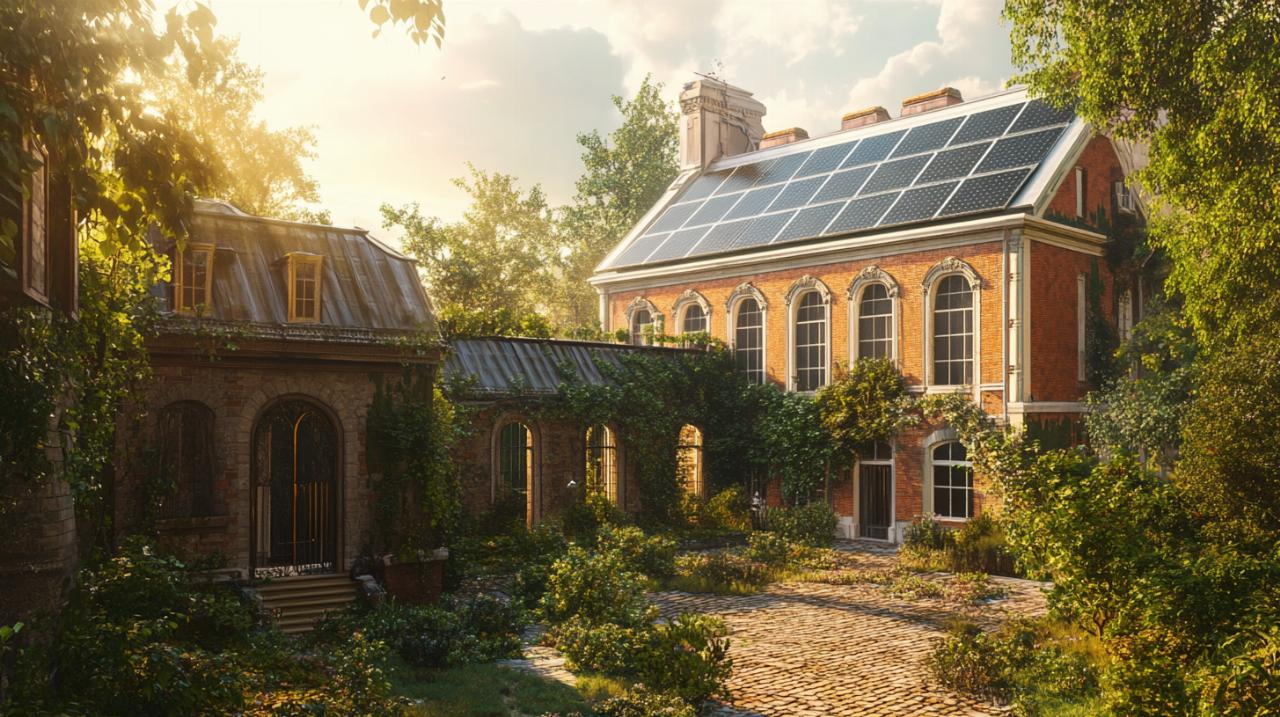
Whilst respecting the past, it is also possible to embrace the future. Modern technology offers a range of options for reducing carbon emissions from historic properties, provided these are implemented with sensitivity. The government has invested billions in improving energy efficiency across the building stock, recognising that heritage homes must play their part in meeting national targets. However, the success of these efforts depends on making the right choices, informed by both technical knowledge and an appreciation for architectural heritage. Homeowners need clear, accessible guidance on what measures are appropriate for their properties and how to navigate planning requirements. Without this support, even well-intentioned efforts can falter or result in unsuitable alterations.
Traditional materials and methods that enhance thermal efficiency
Interestingly, some of the most effective approaches to improving energy performance in heritage buildings involve a return to traditional materials and techniques. Lime mortar, for example, allows walls to breathe whilst providing excellent durability. Clay plasters and earth-based renders offer similar benefits, regulating humidity and contributing to a stable internal environment. Secondary glazing, installed behind original windows, can dramatically reduce heat loss without altering the external appearance of a building. Draught-proofing, when done carefully, can make a significant difference to comfort and running costs. These methods, often dismissed in favour of more modern solutions, prove particularly well-suited to older properties. They work with the building rather than against it, preserving its character whilst delivering measurable improvements. Moreover, they often rely on skills and materials that are readily available, or can be revived through appropriate training and upskilling programmes.
Integrating renewable energy systems whilst preserving architectural integrity
The integration of renewable energy systems into historic buildings requires careful consideration. Solar panels, heat pumps, and other technologies can reduce reliance on fossil fuels, but their installation must be managed to avoid visual or structural harm. Roof-mounted photovoltaic arrays, for instance, may not be appropriate for highly visible elevations, but could be acceptable on rear slopes or outbuildings. Ground-source heat pumps can provide efficient heating without affecting a building’s appearance, though installation involves significant groundwork. Air-source heat pumps, whilst more visible, can sometimes be discreetly positioned. The key is to assess each property individually, considering its specific characteristics and constraints. Retrofitting historic buildings could generate substantial economic benefits and create jobs, particularly if supported by appropriate grant schemes and VAT relief. However, upfront and running costs remain a major barrier for many homeowners. Making financial assistance more widely available and easier to access would encourage greater uptake of suitable technologies. At the same time, a skilled workforce is essential to carry out this work competently. The shortage of construction workers trained in historic building retrofits highlights the need for comprehensive training and upskilling initiatives. By investing in people as well as technology, the United Kingdom can ensure that its heritage contributes to a sustainable future without losing the qualities that make it worth preserving.
