
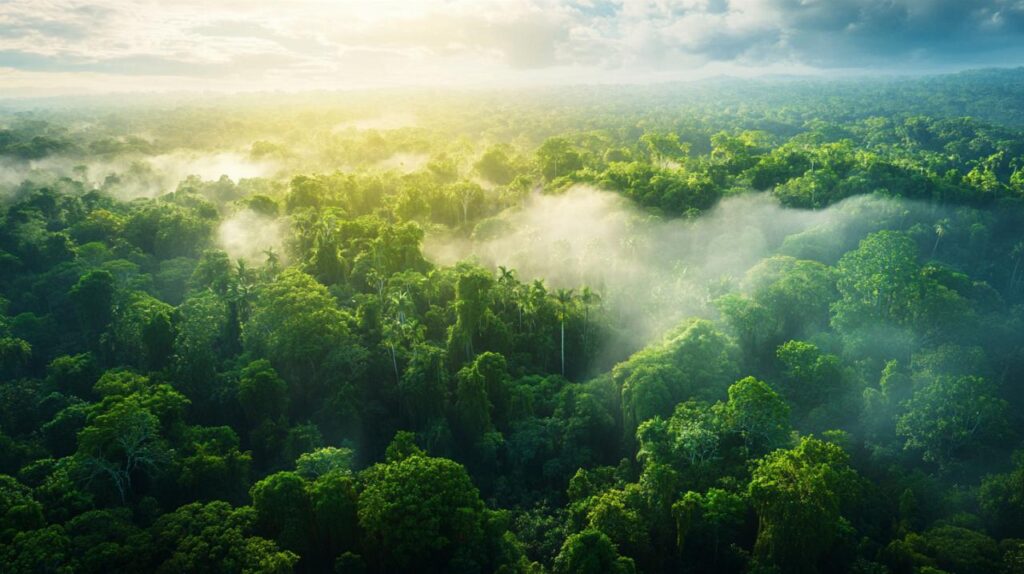
The vast expanse of the Amazon rainforest has long captivated the imagination of artists, environmentalists, and explorers alike. Few creative endeavours, however, have managed to capture the essence of this vital ecosystem with the depth and sensitivity achieved through a remarkable collaboration between celebrated Brazilian photographer Sebastião Salgado and French electronic music pioneer Jean-Michel Jarre. Their combined efforts have resulted in an extraordinary exhibition that transcends traditional documentary photography, weaving together visual storytelling and sonic landscapes to illuminate the urgent realities facing the Amazon and its indigenous communities. This immersive experience invites audiences from across the world to bear witness to both the breathtaking beauty and the fragility of the rainforest, whilst fostering a deeper understanding of the environmental crisis that threatens this irreplaceable corner of our planet.
The Visual Journey: Sebastião Salgado's Photographic Chronicle of the Rainforest
Sebastião Salgado's career has been defined by his commitment to documenting the human condition and the natural world with unflinching honesty and profound empathy. His dedication to the Amazon culminated in a monumental body of work that spans over two hundred photographs, each meticulously composed to reveal the intricate relationship between the forest, its wildlife, and the indigenous peoples who have called this region home for millennia. The exhibition, designed and curated by Lélia Wanick Salgado, occupies a generous one thousand square metres of space, allowing visitors to immerse themselves fully in the photographer's vision. The images transport viewers deep into the heart of the jungle, where the rustling canopy, winding rivers, and vibrant ecosystems come alive through Salgado's lens. His work does not merely document the rainforest; it seeks to convey its soul, capturing moments of quiet reverence and profound connection that speak to the universal human experience of belonging to the natural world.
Capturing the Soul of Indigenous Communities and Untouched Wilderness
At the core of Salgado's Amazonian portfolio lies a profound respect for the indigenous communities whose lives are inextricably linked to the forest. His photographs portray individuals and families engaged in daily rituals, ceremonies, and activities that have remained largely unchanged for generations. These images offer a window into a way of life that exists in harmony with the environment, free from the encroachment of modern urban sprawl and industrial exploitation. The photographer's keen eye for detail and his ability to forge genuine connections with his subjects result in portraits that are both intimate and universal. Whether depicting a solitary figure navigating a river in a traditional canoe or a village gathering beneath the towering trees, Salgado's work underscores the resilience and dignity of the Amazonian people. The untouched wilderness that surrounds these communities is equally central to the narrative, with sweeping vistas of dense foliage, cascading waterfalls, and wildlife that roam freely through the jungle. The photographer's travels through remote regions have yielded images of capuchin monkeys, vibrant birdlife, and other creatures that inhabit this biodiverse sanctuary, each photograph serving as a testament to the richness of life that flourishes far from the concrete sprawl of the modern city.
From exhibition halls to home delivery: accessing salgado's amazonian portfolio
The exhibition has enjoyed remarkable success, having been viewed by over one and a half million people in cities such as Paris, Rome, London, Los Angeles, São Paulo, and Zurich. The Madrid edition alone attracted more than one hundred and fifteen thousand visitors during its run from September 2023 to January 2024, a testament to the universal appeal of Salgado's vision. Beyond the gallery walls, efforts have been made to ensure that the work reaches as wide an audience as possible. The exhibition has been complemented by a documentary film available on both Blu-ray and DVD, enabling viewers to experience the photographer's journey through the Amazon from the comfort of their own homes. The film, available in multiple languages including English, Portuguese, Spanish, and French, offers a narrative that accompanies Salgado's travels, providing context and insight into the creation of this extraordinary body of work. For those unable to attend in person, the availability of the documentary on home delivery platforms ensures that the message of environmental conservation and cultural preservation can reach audiences across the globe. This accessibility reflects a broader commitment to using art as a vehicle for education and advocacy, bridging the gap between remote villages and bustling urban centres.
The sonic landscape: jean-michel jarre's musical interpretation of environmental crisis
Music has the power to evoke emotion and atmosphere in ways that complement and enhance visual storytelling. Jean-Michel Jarre, a pioneer in electronic music, has long been fascinated by the interplay between sound and environment. His collaboration with Sebastião Salgado represents a natural convergence of their respective artistic pursuits, with Jarre composing an original score that serves as the sonic backdrop to the exhibition. The music draws upon the natural rhythms of the Amazon, incorporating field recordings of birdsong, flowing water, and the rustling of leaves, whilst layering these elements with synthesised textures that evoke both the majesty and the vulnerability of the rainforest. Jarre's soundscapes are not merely ambient accompaniment; they are integral to the immersive experience, guiding visitors through the emotional landscape of the exhibition and deepening their connection to the images on display. The French composer's ability to blend organic and electronic sounds mirrors the exhibition's central theme of balance between the natural and the modern, highlighting the urgency of preserving the Amazon in the face of relentless environmental degradation.
Merging french electronic artistry with brazilian natural rhythms
Jarre's approach to composing for the exhibition involved extensive research and collaboration, ensuring that the music would resonate authentically with the spirit of the Brazilian rainforest. The composer travelled to the region, recording sounds that would later form the foundation of his compositions. The resulting music is a tapestry of textures, where the calls of exotic birds intermingle with electronic pulses, and the distant rumble of thunder blends seamlessly with synthesised chords. This fusion of French electronic artistry and Brazilian natural rhythms creates a soundscape that is both contemporary and timeless, reflecting the duality of the Amazon as a place of ancient traditions and urgent modern concerns. The music serves as a reminder that the rainforest is not a silent, static entity but a living, breathing ecosystem whose voice must be heard. By integrating the sounds of the jungle with innovative electronic techniques, Jarre invites listeners to experience the Amazon not merely as a subject of study but as a dynamic presence that demands attention and respect.
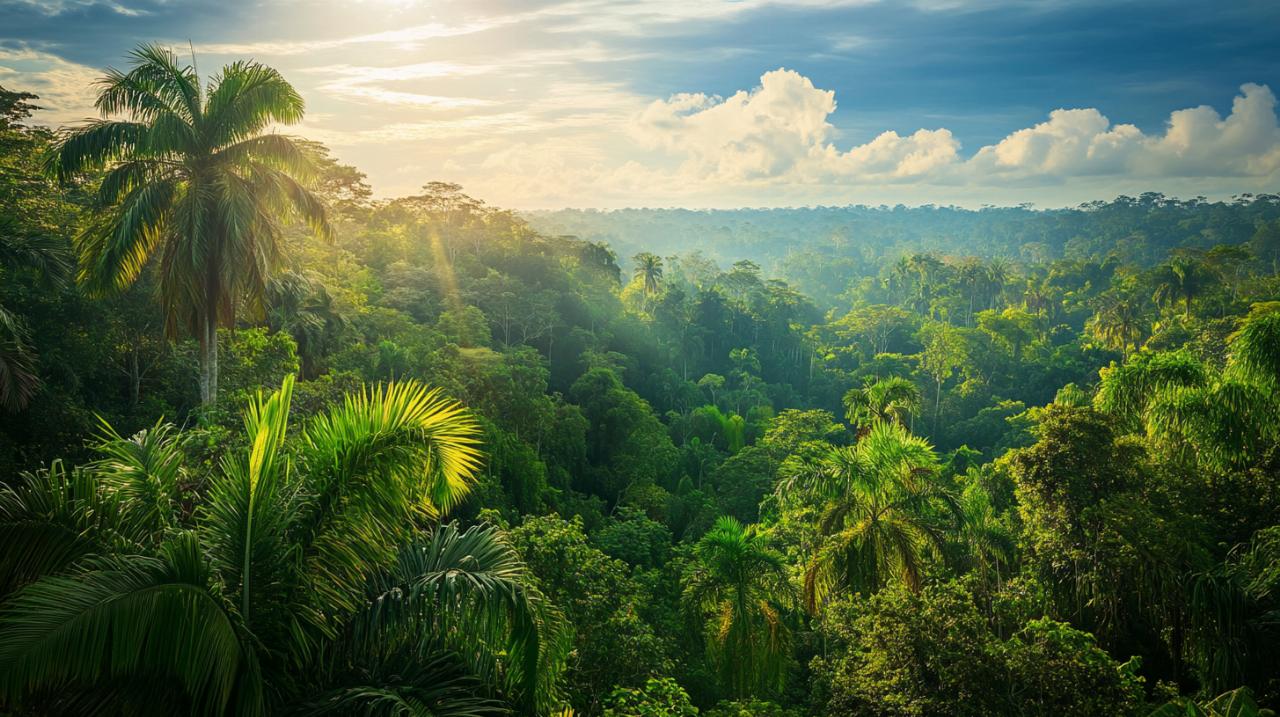
Live Performances and Multimedia Experiences: Bringing the Jungle to Urban Centres
Beyond the confines of the exhibition space, Jarre has sought to bring the Amazonian experience to audiences through live performances and multimedia events. These performances often incorporate large-scale projections of Salgado's photographs, synchronised with the music to create a fully immersive sensory experience. The fusion of image and sound in a live setting transforms the act of viewing into a collective journey, fostering a sense of shared responsibility for the preservation of the rainforest. Urban centres, with their concrete skylines and bustling streets, become temporary portals to the heart of the jungle, allowing city dwellers to confront the realities of deforestation, climate change, and the displacement of indigenous communities. The multimedia nature of these events also ensures that the message reaches diverse audiences, from art enthusiasts to environmental activists, all united by a common concern for the future of the planet. The collaboration between Salgado and Jarre exemplifies the potential of art to transcend cultural and geographical boundaries, creating a global dialogue around the urgent need for environmental conservation and the protection of the world's most vital ecosystems.
Climate change narratives: where photography, film, and sound converge
The convergence of photography, film, and sound in the Amazonia project represents a holistic approach to storytelling that is particularly effective in communicating the complexities of climate change. Visual imagery alone can capture the stark beauty of the rainforest, yet when paired with a compelling soundtrack and a narrative film, the impact is magnified exponentially. This multimedia strategy acknowledges that different audiences engage with content in different ways, and by offering multiple entry points into the story, the exhibition ensures that its message resonates broadly. The documentary film, directed by Wim Wenders and featuring contributions from figures such as Thierry Ragobert and Bernard Desanges, provides a behind-the-scenes look at the creation of the exhibition, offering insights into Salgado's methodology and the challenges faced during his travels. The film's availability in multiple language editions, including English, Portuguese, Spanish, and French, underscores the global relevance of the Amazon's plight and the universal responsibility to address environmental degradation.
Documentary storytelling across multiple languages and formats
The decision to produce the documentary in several languages reflects a commitment to inclusivity and accessibility, ensuring that audiences from diverse linguistic backgrounds can engage with the material. The film is not merely a record of the exhibition but a standalone work of art that complements the photographs and music, offering a narrative thread that ties together the various elements of the project. Interviews with Salgado, alongside contributions from his wife Lélia Wanick Salgado and other collaborators such as Jean-Michel Jarre, provide context and depth, revealing the personal motivations and creative processes that underpin the work. The documentary also highlights the broader environmental and social issues facing the Amazon, from deforestation driven by agricultural expansion to the threats posed by illegal mining and logging. By presenting these challenges within the framework of a compelling visual and auditory experience, the film serves as both an artistic achievement and a powerful tool for advocacy. The availability of the documentary on Blu-ray and DVD, as well as through various streaming platforms, ensures that the message can reach audiences who may not have the opportunity to visit the exhibition in person, thereby extending the project's impact far beyond the gallery walls.
The Legacy of Collaborative Creation in Environmental Awareness Campaigns
The collaboration between Sebastião Salgado, Lélia Wanick Salgado, and Jean-Michel Jarre stands as a testament to the power of collective creativity in addressing pressing global issues. Their work demonstrates that environmental awareness campaigns need not rely solely on scientific data or political rhetoric but can instead harness the emotional and aesthetic power of art to inspire change. The exhibition has been accompanied by efforts to support reforestation initiatives in Brazil, with sponsors in cities like Zurich contributing to projects aimed at restoring degraded areas of the rainforest. This combination of artistic excellence and practical action exemplifies a holistic approach to environmental advocacy, one that recognises the importance of both raising awareness and taking concrete steps towards sustainability. The legacy of this collaboration extends beyond the immediate impact of the exhibition, influencing a new generation of artists, filmmakers, and musicians who seek to use their talents in service of the planet. As the world continues to grapple with the consequences of climate change, projects like Amazonia serve as a reminder that art can be a catalyst for transformation, capable of bridging divides and inspiring collective action in the face of seemingly insurmountable challenges.
The exhibition continues to travel, most recently opening at the National Museum of Singapore, where it is scheduled to remain until March 2025. Occupying Basement 1 of the museum, the exhibition is complemented by an Eco Sanctuary interactive space, which runs daily from ten in the morning until seven in the evening. This additional feature allows visitors to engage more deeply with the themes of the exhibition, exploring the connections between environmental conservation and cultural heritage. The museum's broader revamp, including the Singapore History Gallery, is set to reopen in October 2026, but in the meantime, visitors can explore related exhibitions such as Once Upon a Tide and Singapore Odyssea. The global reach of the exhibition, combined with its multimedia components and interactive elements, ensures that the message of environmental stewardship and respect for indigenous cultures continues to resonate with audiences around the world. The work of Salgado and Jarre, supported by the curatorial vision of Lélia Wanick Salgado and the contributions of numerous collaborators, stands as a landmark achievement in the intersection of art and activism, offering both a celebration of the Amazon and a sobering reminder of the urgent need to protect it for future generations.
