
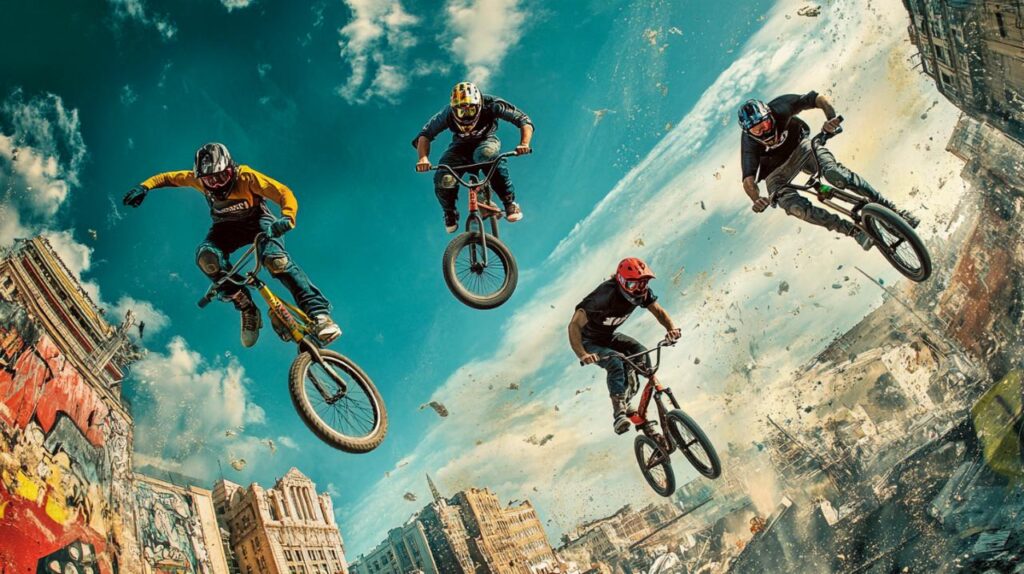
The world of professional BMX riding demands far more than just technical skill and daring. Behind every jaw-dropping trick performed by riders such as Anthony Perrin, Simone Barraco, Bruno Hoffmann, and Kriss Kyle lies a rigorous commitment to physical fitness, mental resilience, and disciplined lifestyle choices. These athletes have redefined what is possible on two wheels, combining explosive power, exceptional balance, and unwavering focus to push the boundaries of their sport. Understanding the fitness routines that underpin their performances offers valuable insights into the dedication required to compete at the highest level.
Strength and Conditioning: The Foundation of Elite BMX Athletes
Professional BMX riders rely on comprehensive strength and conditioning programmes to build the physical resilience necessary for executing complex manoeuvres. The demands placed on the body during high-impact landings, rapid accelerations, and sudden directional changes mean that a well-rounded approach to training is essential. For riders like Anthony Perrin and Bruno Hoffmann, developing both upper and lower body strength ensures they can maintain control during the most demanding sequences. Resistance training forms a cornerstone of their routines, targeting muscle groups that stabilise the body and generate the explosive force needed for jumps and spins.
Core Stability Exercises for Balance and Control
Core stability is paramount for BMX professionals, as it directly influences balance, posture, and the ability to absorb shocks. Riders such as Simone Barraco incorporate exercises that strengthen the abdominal muscles, obliques, and lower back to create a solid foundation for movement. Planks, rotational exercises, and medicine ball work are common elements in their training regimes. These activities enhance the body's ability to remain centred and controlled, even when airborne or navigating uneven terrain. A strong core also reduces the risk of injury by distributing stress more evenly across the body, allowing riders to recover quickly from one trick and transition seamlessly into the next.
Lower body power training for explosive tricks
The lower body generates the explosive power required for launching into the air and executing high-amplitude tricks. Kriss Kyle and his peers dedicate significant training time to exercises that develop strength and speed in the legs. Squats, lunges, and plyometric drills such as box jumps are integral to building the fast-twitch muscle fibres that enable rapid bursts of energy. This type of training not only enhances vertical leap and acceleration but also improves landing mechanics, which is crucial for protecting joints and maintaining momentum. By focusing on power development, professional riders ensure they can perform at their peak whilst minimising the wear and tear on their bodies over time.
Mobility and flexibility: preventing injuries whilst maximising performance
Mobility and flexibility are often underestimated components of athletic performance, yet they play a vital role in the success of elite BMX riders. The ability to move through a full range of motion with ease allows athletes to execute tricks with greater precision and reduces the likelihood of strains or sprains. For professionals like Anthony Perrin and Bruno Hoffmann, maintaining supple muscles and joints is as important as building strength. Regular mobility work ensures that the body remains adaptable and responsive, qualities that are indispensable when reacting to unexpected challenges during a ride.
Dynamic stretching routines for pre-ride preparation
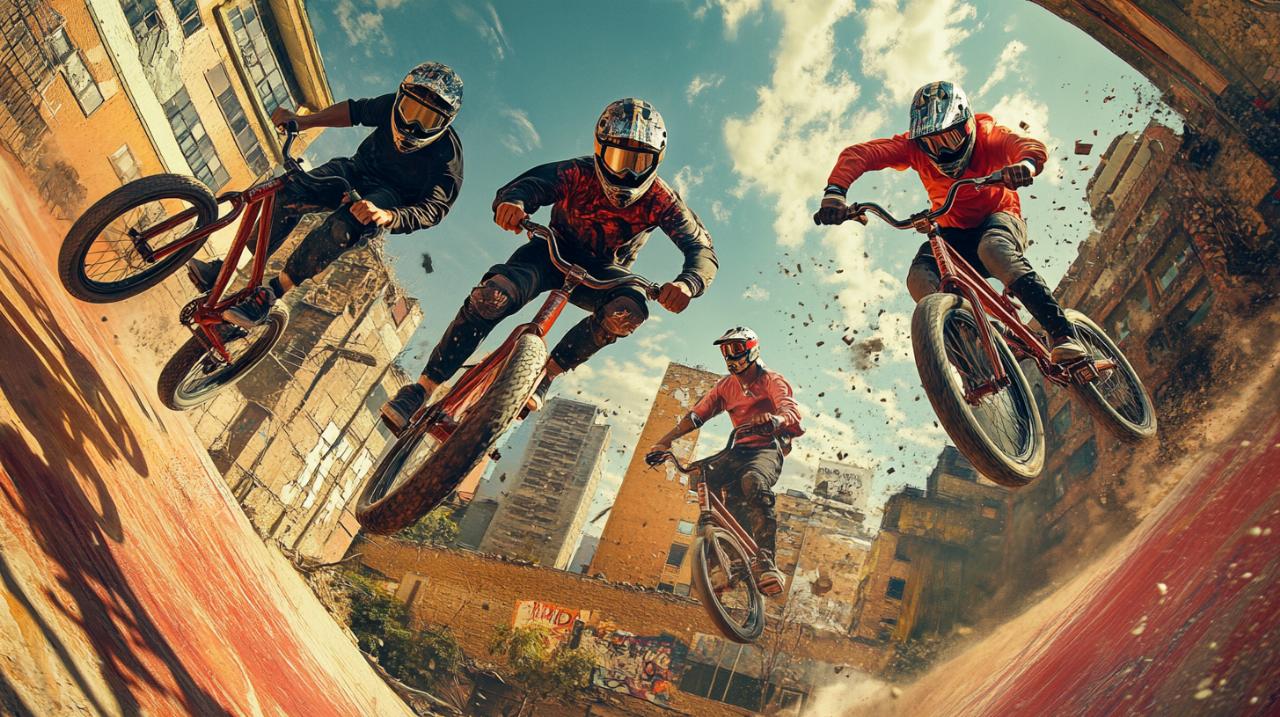
Dynamic stretching serves as an essential warm-up practice, preparing the body for the physical demands of BMX riding. Unlike static stretches, which involve holding a position, dynamic stretches incorporate movement to increase blood flow and elevate muscle temperature. Riders such as Simone Barraco engage in leg swings, arm circles, and torso twists before hitting the ramps. These routines activate the nervous system and enhance coordination, ensuring that the body is primed for action. By incorporating dynamic stretching into their pre-ride rituals, athletes reduce the risk of acute injuries and improve overall performance from the outset.
Recovery and Flexibility Work for Longevity in the Sport
Recovery is a critical aspect of any professional athlete's routine, and BMX riders are no exception. After intense training sessions or competitions, flexibility work aids in muscle repair and reduces soreness. Kriss Kyle and his contemporaries often utilise yoga, foam rolling, and passive stretching to promote circulation and alleviate tension. These practices not only expedite recovery but also contribute to long-term joint health and muscular balance. By prioritising flexibility work, riders extend their careers and maintain the agility needed to innovate and adapt as the sport evolves. Consistent attention to recovery ensures that they can train harder and perform at their best without succumbing to overuse injuries.
Mental Conditioning and Lifestyle Habits of Top BMX Professionals
Physical prowess alone does not define a champion BMX rider. Mental conditioning and disciplined lifestyle habits are equally vital in sustaining peak performance. The psychological demands of BMX riding, which often involve high-risk manoeuvres and intense competition, require athletes to develop robust mental strategies. Anthony Perrin, Simone Barraco, Bruno Hoffmann, and Kriss Kyle all recognise the importance of cultivating focus, managing stress, and maintaining a balanced approach to life both on and off the bike. Their success is a testament to the holistic nature of professional athleticism.
Focus and Visualisation Techniques for High-Stakes Performances
Visualisation is a powerful tool used by elite athletes to mentally rehearse their performances before executing them physically. By imagining each element of a trick in vivid detail, riders like Bruno Hoffmann build confidence and reduce anxiety. This mental practice enhances muscle memory and helps athletes anticipate potential challenges, allowing them to respond more effectively under pressure. Concentration exercises, such as mindfulness meditation, also play a role in sharpening focus and maintaining composure during competitions. The ability to block out distractions and stay present in the moment is crucial when attempting complex sequences that demand precision and timing. Mental conditioning, therefore, complements physical training by ensuring that the mind and body work in harmony.
Nutrition and Rest: Fuelling the Body for Peak Athletic Output
Proper nutrition and adequate rest are foundational to sustaining the energy levels and recovery processes required for professional BMX riding. Athletes such as Kriss Kyle follow carefully planned diets that provide the macronutrients and micronutrients necessary for muscle repair, energy production, and overall health. Lean proteins, complex carbohydrates, and healthy fats form the basis of their meals, whilst hydration is rigorously maintained throughout the day. Sleep is equally important, as it is during rest that the body undergoes critical repair and adaptation processes. Professional riders typically prioritise consistent sleep schedules to optimise recovery and maintain cognitive function. By treating nutrition and rest as integral components of their training regimes, these athletes ensure they can perform at their peak day after day, season after season.
