
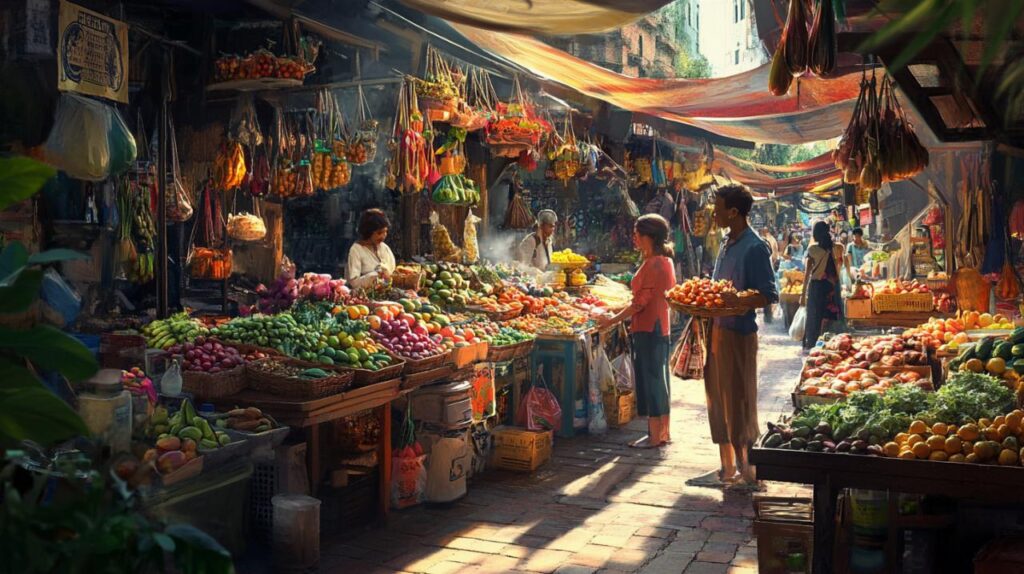
Wandering through bustling stalls piled high with colourful produce, fragrant spices, and handcrafted treasures offers travellers a chance to glimpse the soul of a destination. Markets serve as vibrant hubs where local culture, tradition, and daily life converge, creating an atmosphere that no museum or guided tour can quite replicate. Whether you find yourself amidst the aromatic chaos of a Moroccan souk, the lively chatter of a European food hall, or the night-time sizzle of an Asian street food haven, these spaces invite you to step beyond the typical tourist trail and connect with the heartbeat of a place.
Preparing for your market adventure
Research the Market’s Character and Specialities
Before setting foot in any market, a bit of homework can transform your experience from pleasant to unforgettable. Each market carries its own personality, shaped by history, geography, and the community it serves. Some are renowned for their fresh seafood and seasonal produce, whilst others specialise in artisan crafts, secondhand books, or vibrant textiles. Understanding what a market is famous for helps you tailor your visit to your interests and ensures you do not miss out on hidden gems. Consulting official websites, local blogs, and recent traveller reviews provides insight into opening times, seasonal highlights, and any special events that might coincide with your visit. This preparation is among the most valuable travel tips for ensuring your market adventure is both rewarding and efficient.
Sorting out your cash and payment options
In many markets around the world, cash remains king. Smaller vendors and family-run stalls often lack card machines or prefer the immediacy and simplicity of cash transactions. Arriving with a sufficient supply of local currency, ideally in smaller denominations, ensures smooth interactions and demonstrates respect for local trading customs. Whilst some larger or more tourist-oriented markets may accept cards or mobile payments, relying solely on digital options can leave you disappointed or unable to purchase from the most authentic vendors. Checking with your bank about foreign transaction fees and identifying nearby ATMs before you arrive can save both time and frustration, allowing you to focus on the vibrant sights and sounds around you.
Mastering the Art of Market Bargaining
Understanding local haggling etiquette
Bargaining is an age-old tradition in many markets, particularly at flea markets and souvenir stalls, where a friendly negotiation is part of the cultural exchange. However, the rules of engagement vary widely depending on where you are. In some places, haggling is expected and even enjoyed by vendors, whilst in others, especially at food markets, prices are fixed and attempting to negotiate can be seen as disrespectful. Observing how locals interact with stallholders provides valuable clues about acceptable behaviour. A polite and good-natured approach, combined with a willingness to walk away if the price does not suit, often yields the best results. Remember that bargaining should feel like a conversation, not a confrontation, and that the goal is a fair deal for both parties.
Striking fair deals with stallholders
Whilst seeking a bargain is part of the fun, it is important to keep perspective. The few pounds or euros you might save can make a significant difference to a small vendor’s livelihood. Approaching negotiations with respect and fairness ensures that your market experience contributes positively to the local economy and fosters genuine connections. Starting with a polite greeting in the local language, showing genuine interest in the goods on offer, and recognising the craftsmanship or quality involved all help build rapport. Many seasoned travellers find that being courteous and appreciative often results in better prices than aggressive haggling ever could. By striking a balance between getting value for money and supporting local traders, you leave the market feeling good about your purchases and the relationships you have built.
Navigating market safety and security
Protecting your valuables whilst shopping
Markets, with their crowds and distractions, can attract pickpockets and opportunistic thieves. Keeping your belongings secure is essential to ensuring your visit remains enjoyable. Wearing a crossbody bag with the strap across your chest, keeping wallets and phones in front pockets, and avoiding displaying large amounts of cash all reduce the risk of theft. Leaving unnecessary valuables, such as expensive jewellery or extra credit cards, back at your accommodation is a wise precaution. Staying aware of your surroundings and trusting your instincts if a situation feels uncomfortable can prevent unpleasant incidents. Taking these simple steps allows you to immerse yourself fully in the market atmosphere without worry.
Staying alert in crowded spaces
The energy and bustle of a busy market can be exhilarating, but it also requires a degree of vigilance. Crowded aisles, jostling shoppers, and the sensory overload of sights, sounds, and smells can make it easy to lose your bearings or become separated from travel companions. Establishing a meeting point in advance and keeping mobile phones charged ensures you can reconnect if needed. Paying attention to your footing, especially in markets with uneven surfaces or makeshift stalls, helps prevent trips and falls. Staying hydrated and taking breaks when needed keeps you alert and able to enjoy the experience. A mindful approach to navigating crowded spaces ensures that the excitement of the market does not come at the expense of your safety or comfort.
Immersing yourself in local culture
Building connections with local traders
One of the greatest rewards of visiting markets is the opportunity to interact with the people who bring them to life. Stallholders are often passionate about their products and eager to share stories about their origins, uses, and cultural significance. Taking the time to have a chat, ask questions, and show genuine interest can lead to fascinating conversations and unexpected discoveries. Whether you are learning about traditional cooking techniques from a spice vendor, hearing family histories from an antiques dealer, or simply exchanging smiles and pleasantries, these human connections enrich your understanding of the local culture. Many vendors appreciate visitors who treat them as individuals rather than just service providers, and this mutual respect often results in warmer welcomes and insider tips about the best things to try or see.
Discovering hidden stories and traditions
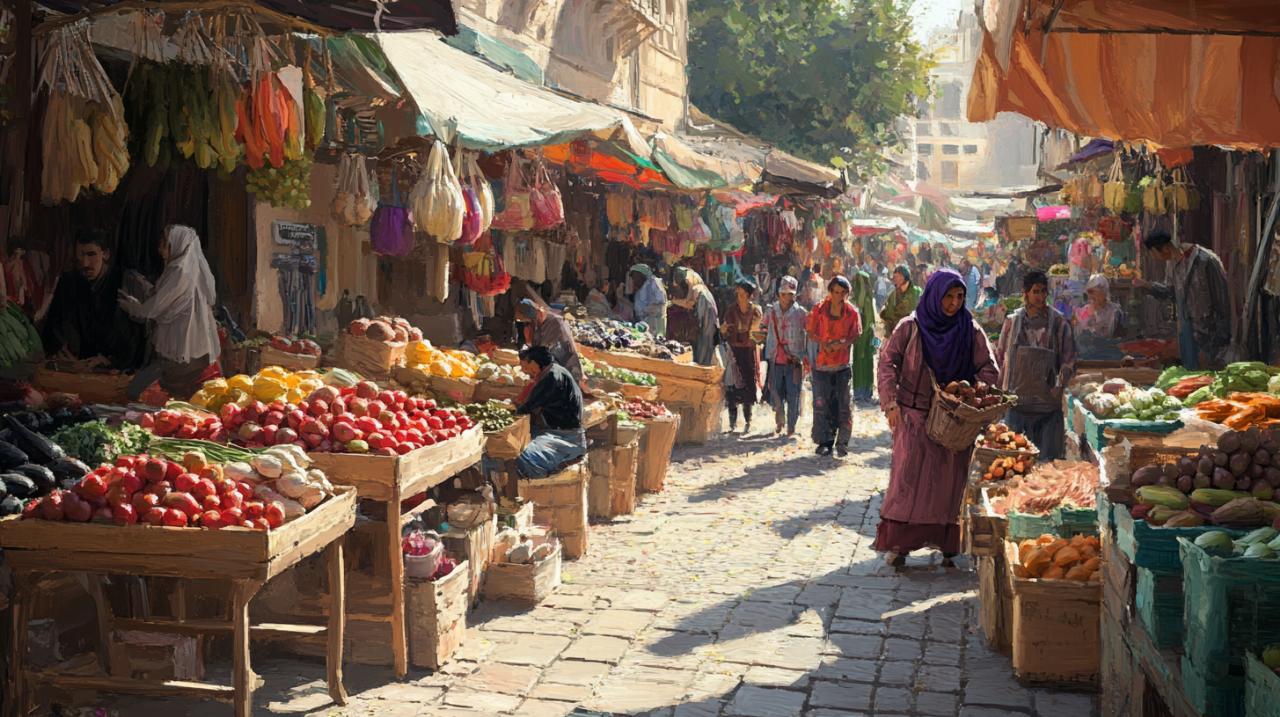
Markets are living repositories of tradition, where centuries-old practices and contemporary life intermingle. From the craftsmanship evident in handwoven textiles to the rituals surrounding food preparation and presentation, every corner of a market tells a story. Observing how produce is displayed, how vendors interact with regular customers, and how communities gather to shop and socialise offers a window into daily life that guidebooks and tourist attractions cannot provide. Some markets have unique features, such as the donkeys wearing rubber shoes made from recycled tyres in the car-free alleys of Fez, or the stained-glass windows adorning historic market halls in Málaga. Paying attention to these details and asking vendors about their significance deepens your appreciation for the place and its people.
Timing Your Visit for the Best Experience
Benefits of early morning market visits
Arriving at a market early in the day, typically between nine and eleven in the morning, offers several advantages. The selection is at its freshest, vendors are less rushed, and the atmosphere is often calmer and more conducive to leisurely browsing. Early mornings are ideal for food markets, where fishmongers, greengrocers, and bakers display their finest offerings before the crowds descend. The cooler temperatures and softer light also make for more comfortable shopping and better photographs. Additionally, early birds often have the opportunity to witness the market setting up, observing the behind-the-scenes choreography that transforms empty spaces into vibrant commercial hubs. For those seeking an authentic and immersive experience, the morning hours provide a glimpse of the market as it truly is, before the tourist rush begins.
Late afternoon opportunities and closing time bargains
Visiting a market later in the day, particularly as it approaches closing time, can yield unexpected benefits. Vendors eager to sell remaining stock before packing up for the day may be more willing to negotiate prices or offer discounts. This is especially true for perishable goods such as fresh produce, baked items, and prepared foods. The atmosphere at this time can be quite different from the morning buzz, with a more relaxed and convivial energy as traders and customers wind down. However, the trade-off is that selection may be limited and some stalls might have already closed. Balancing the potential for bargains with the risk of missing out on the best goods requires flexibility and a willingness to take what comes. For those who enjoy a quieter, more intimate market experience, late afternoon can be the perfect time to explore.
Savouring authentic street food delicacies
Choosing safe and delicious local fare
Street food is one of the most exciting and accessible ways to explore a destination’s culinary heritage. Markets around the world offer an astonishing variety of dishes, from the sizzling satay and fragrant curries of Asian night markets to the hearty sausages and fresh pastries of European food halls. Choosing where to eat can feel daunting, but a few simple guidelines can help ensure both safety and satisfaction. Look for stalls with high turnover and long queues, as this indicates freshness and popularity among locals. Observing hygiene practices, such as whether vendors use gloves or utensils and how food is stored and prepared, provides clues about safety. Trusting your senses is also important; if something smells off or looks questionable, it is best to move on. Starting with small portions allows you to sample a variety of dishes without committing to a full meal, and asking locals for recommendations often leads to the best finds.
Exploring regional flavours and specialities
Every market reflects the unique flavours and ingredients of its region, offering a delicious education in local cuisine. Seasonal produce plays a central role, with strawberries and cherries heralding spring, peaches and watermelons dominating summer, apples and grapes celebrating autumn, and citrus fruits brightening winter. Trying regional specialities, whether it is sticky rice and silkworms at a Thai night market, fresh sardines grilled over charcoal in Portugal, or warm pretzels dusted with salt at a German Christmas market, allows you to taste the essence of a place. Many markets also feature traditional sweets, preserves, and condiments that make excellent souvenirs and provide lasting memories of your travels. Embracing adventurous eating and being willing to try unfamiliar dishes can lead to some of the most memorable moments of your journey.
Practising responsible and respectful tourism
Honouring local customs and traditions
Visiting markets as a tourist comes with a responsibility to respect the customs and traditions of the communities that host them. Simple gestures, such as greeting vendors in their own language, asking permission before taking photographs, and dressing modestly where appropriate, demonstrate cultural sensitivity and appreciation. Understanding and adhering to local etiquette, such as not touching produce unless invited to do so and allowing vendors to select items for you, shows respect for their expertise and the norms of the market. Being patient, polite, and mindful of the fact that you are a guest in someone else’s space fosters positive interactions and helps ensure that markets remain welcoming to visitors. Recognising that these spaces are not theme parks but vital economic and social centres for local people encourages a more thoughtful and considerate approach to travel.
Minimising your environmental footprint at markets
Sustainable travel practices are just as important in markets as anywhere else. Bringing your own reusable shopping bags reduces reliance on plastic and demonstrates environmental awareness. Disposing of rubbish responsibly, using designated bins, and avoiding single-use items wherever possible help keep markets clean and pleasant for everyone. Choosing to buy from vendors who use minimal packaging or who source their goods sustainably supports environmentally friendly practices. Being mindful of food waste by purchasing only what you can consume or carry prevents unnecessary spoilage. Many markets are at the forefront of local and organic food movements, offering produce grown without harmful pesticides and products made using traditional, low-impact methods. Supporting these vendors not only benefits your health but also contributes to a more sustainable food system. By making conscious choices, you can enjoy the richness of market culture whilst minimising your impact on the environment.
