
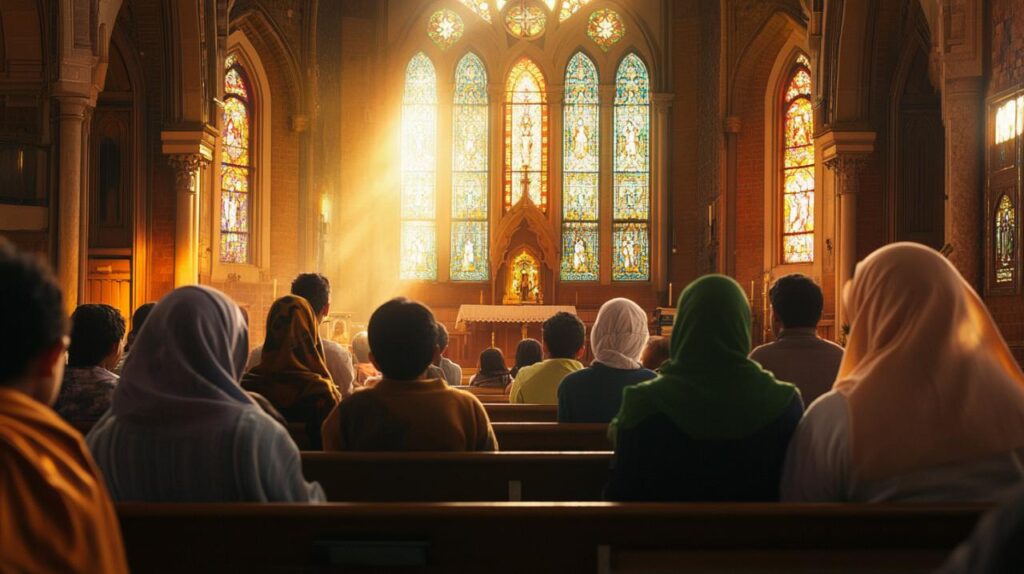
In an era where divisions often seem to overshadow unity, the question of whether a Muslim can pray in a church invites a profound examination of faith, respect, and shared devotion. The act of prayer transcends the physical boundaries of sacred architecture, serving as a bridge that connects believers across diverse traditions. When individuals of different faiths seek common ground, they open the door to dialogue that honours both their unique identities and their shared commitment to peace and understanding. This exploration delves into the spiritual, historical, and contemporary dimensions of such practices, revealing how they contribute to a richer tapestry of interfaith relations.
The spiritual foundation: understanding prayer beyond sacred spaces
Prayer as a Universal Act of Devotion to the Divine
Prayer stands as a universal act of devotion that reaches beyond the confines of any single tradition or structure. Whether offered in a mosque, church, or even a quiet corner of one's home, the essence of prayer lies in the intention to connect with the Divine. For Muslims, the act of salah is a cornerstone of faith, a ritual that unfolds five times daily regardless of location. The underlying principle emphasises that the sincerity of the heart and the purity of intention matter more than the grandeur or sanctity of the building. When a Muslim seeks a space for prayer, the focus remains on the relationship with God, a relationship that is not confined to walls adorned with specific symbols or inscriptions. This perspective allows for a broader understanding of worship, one that acknowledges the shared human yearning for spiritual fulfilment. The notion that prayer can be valid and meaningful in a church rests on the belief that the divine presence is not limited by the boundaries we construct. Instead, it is the worshipper's devotion and the act of seeking God's mercy that define the sanctity of the moment.
The Shared Monotheistic Heritage of Muslims and Christians
The common thread that binds Muslims and Christians is their unwavering belief in one God, a foundation that has shaped both traditions for centuries. This shared monotheistic heritage provides a fertile ground for mutual respect and dialogue. Both faiths trace their spiritual lineage back to the Abrahamic tradition, recognising prophets and revered figures who preached submission to the divine will. The reverence for Jesus, acknowledged in Islamic tradition as a prophet, further underscores the connections that exist between these communities. When a Muslim enters a church, they step into a space that, while architecturally and liturgically distinct, still resonates with the echoes of monotheistic worship. This convergence of belief systems creates opportunities for reflection and appreciation, reminding both communities that their ultimate goal is to honour the same Creator. The emphasis on peace, compassion, and faithfulness in both the Quran and the Bible serves as a testament to the values that transcend doctrinal differences. By recognising these shared principles, believers from both sides can engage in meaningful exchanges that enrich their spiritual journeys without compromising their individual identities.
Historical Precedents and Contemporary Practice of Interfaith Worship Spaces
Examining past examples of shared sacred spaces between faiths
History offers numerous examples of interfaith cooperation and shared worship spaces that challenge the notion of rigid boundaries between religious communities. In various parts of the world, places of worship have served multiple faith groups, reflecting periods of tolerance and mutual respect. Such instances illustrate that the idea of praying in a space associated with another faith is not entirely novel. These historical precedents reveal that religious communities have, at times, prioritised the collective need for spiritual refuge over exclusive claims to sacred architecture. The willingness to accommodate one another in moments of necessity or in pursuit of dialogue speaks to a deeper understanding of faith as a personal journey rather than a territorial claim. These examples also highlight the role of consent and mutual agreement, as communities negotiated the use of shared spaces with respect for each other's traditions. By examining these past practices, contemporary believers can draw inspiration for fostering environments where interfaith dialogue flourishes, and where the act of praying together becomes a symbol of unity rather than division.
Modern Instances of Muslims Praying in Churches and Their Significance
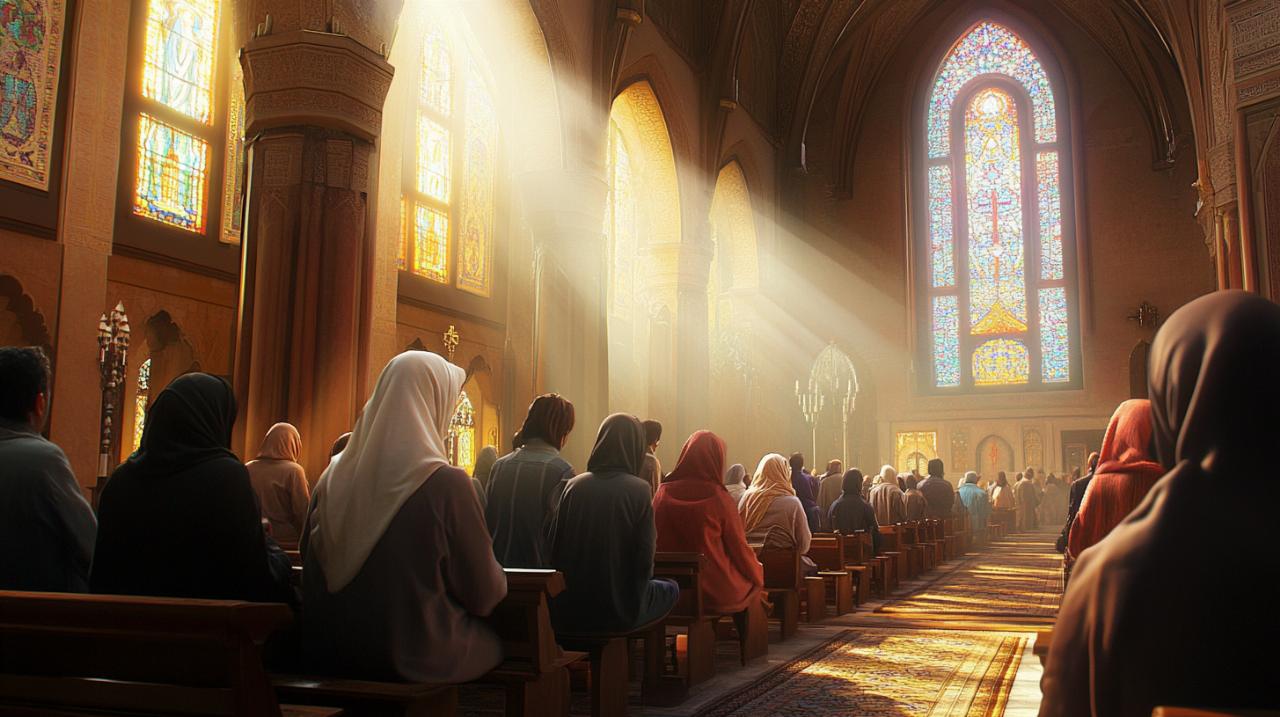
In recent years, several noteworthy instances have emerged where Muslims have been invited to pray in churches, signalling a progressive shift towards greater interfaith understanding. One such event took place in Abbotsford, British Columbia, where an interfaith dialogue on fasting and peace brought together members of the Ahmadiyya Muslim Jama'at and local Christian communities. The gathering, held at Garden Park Tower on the sixth of July in 2015, exemplified how dialogue and shared reflection can create spaces of mutual learning. April Yamasaki, a participant in this event, prepared by engaging in respectful questioning and by sharing her own faith journey, bringing along New Testaments and pamphlets from her church. Her approach was characterised by a genuine willingness to learn from others whilst remaining rooted in her own convictions. The event demonstrated that interfaith dialogue need not dilute individual faith but can instead deepen one's appreciation for the richness of diverse spiritual traditions. Similarly, guidance from Dar Al-Ifta in Egypt, a governmental and non-profit organisation, has affirmed that it is permissible for Muslims to pray in a church with the consent of the host community. This stance underscores the importance of respect and mutual agreement, ensuring that such acts are conducted in a manner that honours both faiths. These modern instances serve as powerful reminders that the boundaries we perceive are often more permeable than we assume, and that the intention behind prayer remains paramount.
Building bridges through mutual respect and understanding
The Role of Religious Leaders in Fostering Interreligious Relations
Religious leaders play a pivotal role in shaping the attitudes and practices of their communities, and their commitment to interfaith dialogue can have a transformative impact. Prominent figures, including Popes and Imams, have long advocated for open communication and collaboration between different faith groups. Their encouragement has paved the way for initiatives that bring together Muslims, Christians, and members of other traditions in pursuit of common goals such as peace, justice, and social harmony. When leaders from diverse backgrounds publicly support interfaith engagement, they send a clear message that dialogue is not a threat to religious identity but an opportunity to deepen one's own faith whilst learning from others. These leaders often emphasise that the goal is not to convert or to compromise core beliefs but to recognise and celebrate the shared values that unite humanity. The guidance provided by scholars versed in interfaith dialogue, as recommended by Dar Al-Ifta, ensures that such engagements are conducted with both theological integrity and respect for tradition. By fostering environments where honest conversation can take place, religious leaders help to dismantle stereotypes and build trust between communities that might otherwise remain isolated from one another.
Preserving faith identity whilst embracing common values of peace
The act of praying in a church as a Muslim, or engaging in interfaith dialogue, does not necessitate the dilution of one's faith identity. Rather, it offers an opportunity to affirm one's convictions whilst acknowledging the shared commitment to peace and compassion that exists across religious boundaries. The essence of interfaith dialogue lies in the ability to find common ground without erasing the distinctive features that make each tradition unique. For Muslims, the practice of salah remains a deeply personal and spiritually significant act, rooted in the teachings of Islam and the Quran. When undertaken in a church, it is done with the understanding that the space, whilst different in its liturgical expression, is still a place dedicated to the worship of the one God. This nuanced approach allows believers to maintain their religious integrity whilst participating in a broader conversation about humanity's spiritual aspirations. The emphasis on mutual understanding and respect, as articulated by scholars and community leaders, ensures that such practices are guided by principles of consent and genuine goodwill. By embracing these common values, faith communities can work together to address pressing social issues, promote tolerance, and create a more harmonious world. The journey towards interfaith understanding is not about abandoning one's heritage but about enriching it through dialogue, learning, and shared acts of devotion that honour the divine in all its manifestations.
