
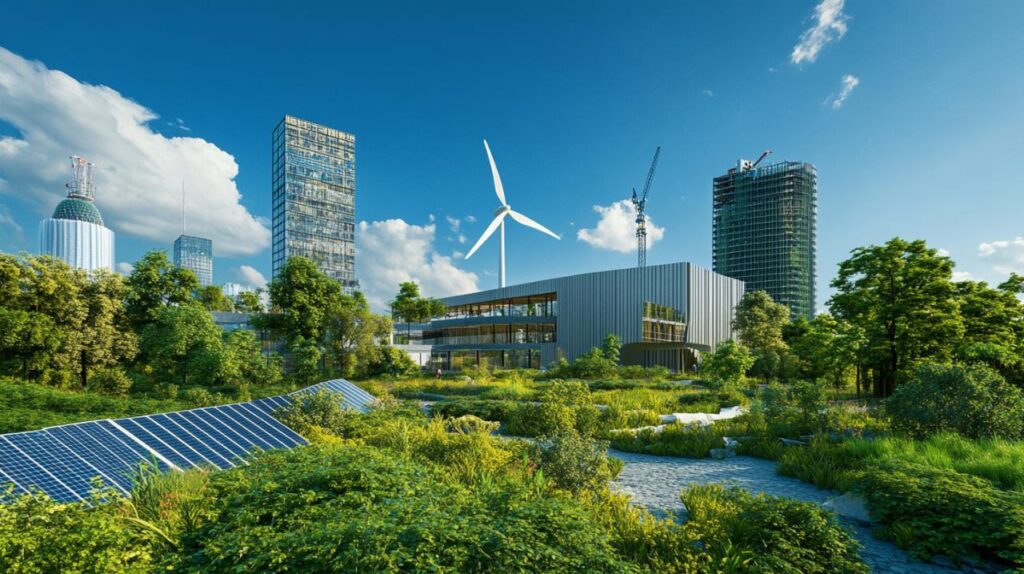
The construction industry stands at a pivotal crossroads where tradition meets innovation, and nowhere is this more evident than in the growing adoption of environmentally responsible practices. As global awareness of climate change intensifies and regulatory frameworks tighten, the sector is increasingly turning towards methods that minimise ecological impact whilst delivering robust, long-lasting structures. This transformation is not merely a trend but a fundamental shift in how we conceive, design, and erect the buildings that shape our urban and rural landscapes.
Integrating renewable energy systems into modern building projects
The incorporation of renewable power sources into construction represents a cornerstone of contemporary sustainable practice. By embedding these technologies from the outset, developers and architects can create structures that generate their own energy, reduce reliance on fossil fuels, and contribute to broader carbon footprint reduction efforts. The built environment is responsible for approximately forty per cent of global carbon emissions, a staggering figure that underscores the urgency of adopting cleaner energy pathways. Integrating green energy solutions within building projects not only addresses this environmental challenge but also aligns with governmental initiatives such as the Climate Change Act and Construction 2025, both of which seek to drive the industry towards greener horizons.
Harnessing Solar Power for Construction Sites and Completed Structures
Solar power has emerged as one of the most accessible and versatile renewable energy sources for the construction sector. Both active and passive solar technologies can be utilised to maximise energy capture and efficiency. Active solar systems, such as photovoltaic panels, convert sunlight directly into electricity, providing a clean power source that can be used throughout a building’s lifecycle. These panels can be installed on rooftops, facades, or even integrated into building materials themselves, offering flexibility in design and application. Passive solar design, on the other hand, leverages the building’s orientation, window placement, and thermal mass to naturally regulate temperature and lighting, reducing the need for artificial heating and cooling systems.
Construction sites themselves can benefit from solar power during the building phase. Temporary solar installations can provide energy for tools, lighting, and site offices, reducing the carbon footprint of the construction process before the building is even complete. Once the structure is finished, solar arrays continue to deliver long-term cost savings by lowering energy bills and providing a reliable power source. This dual benefit makes solar power an attractive option for developers committed to sustainable construction practices.
Wind and Geothermal Energy Applications in Contemporary Architecture
Whilst solar power often takes centre stage, wind and geothermal energy offer equally promising avenues for sustainable building design. Wind energy can be harnessed through small-scale turbines installed on or near buildings, particularly in areas with consistent wind patterns. These turbines can supplement a building’s energy needs, contributing to a diversified renewable energy portfolio that reduces dependence on nonrenewable sources. Although urban wind energy faces challenges related to turbulence and noise, advancements in turbine technology are making it increasingly viable for residential and commercial applications.
Geothermal energy, meanwhile, taps into the earth’s natural heat to provide heating and cooling for buildings. Ground-source heat pumps utilise stable underground temperatures to regulate indoor climates with remarkable efficiency. This technology is particularly effective in climates with extreme seasonal variations, where traditional heating and cooling systems consume significant energy. By integrating geothermal systems into contemporary architecture, designers can achieve substantial energy savings whilst maintaining occupant comfort. The synergy between wind, geothermal, and solar technologies enables a holistic approach to renewable energy integration, ensuring that buildings are not only energy-efficient but also resilient and adaptable to future energy demands.
Energy-conserving materials and environmentally conscious design principles
Beyond renewable energy systems, the choice of materials and design strategies plays a critical role in achieving sustainable construction outcomes. Energy-conserving materials and eco-conscious design principles work hand in hand to create buildings that are both functional and environmentally responsible. The focus extends from the selection of raw materials to the overall architectural blueprint, ensuring that every element contributes to reduced environmental impact and enhanced performance.
Sustainable building materials that reduce carbon footprint
The materials used in construction have a profound influence on a building’s overall carbon footprint. Sustainable materials such as recycled steel, reclaimed timber, and bamboo offer environmentally friendly alternatives to traditional construction inputs. Recycled steel, for instance, requires significantly less energy to produce than virgin steel, reducing both carbon emissions and resource depletion. Reclaimed timber not only diverts waste from landfills but also brings a unique character and history to new projects, blending aesthetic appeal with environmental stewardship.
Bamboo has gained recognition as a rapidly renewable resource that can be harvested sustainably without depleting ecosystems. Its strength, versatility, and fast growth rate make it an excellent choice for a variety of construction applications, from flooring to structural elements. Additionally, the use of low-emitting and biodegradable materials can further reduce a building’s environmental impact. These materials minimise the release of volatile organic compounds, improving indoor air quality and contributing to better health and wellbeing for occupants. Selecting products that meet certifications such as Cradle to Cradle Certified ensures that materials are sourced and processed in ways that support circular economy principles, where products are designed for reuse, recycling, or safe return to the environment.
Waste reduction strategies, including the repurposing and salvaging of materials from existing buildings, also play a vital role. By reclaiming bricks, fixtures, and other components during demolition, the construction industry can significantly cut down on waste and the energy required for producing new materials. This approach not only conserves resources but also supports a more circular and regenerative construction model.
Innovative architectural blueprints for energy-efficient developments
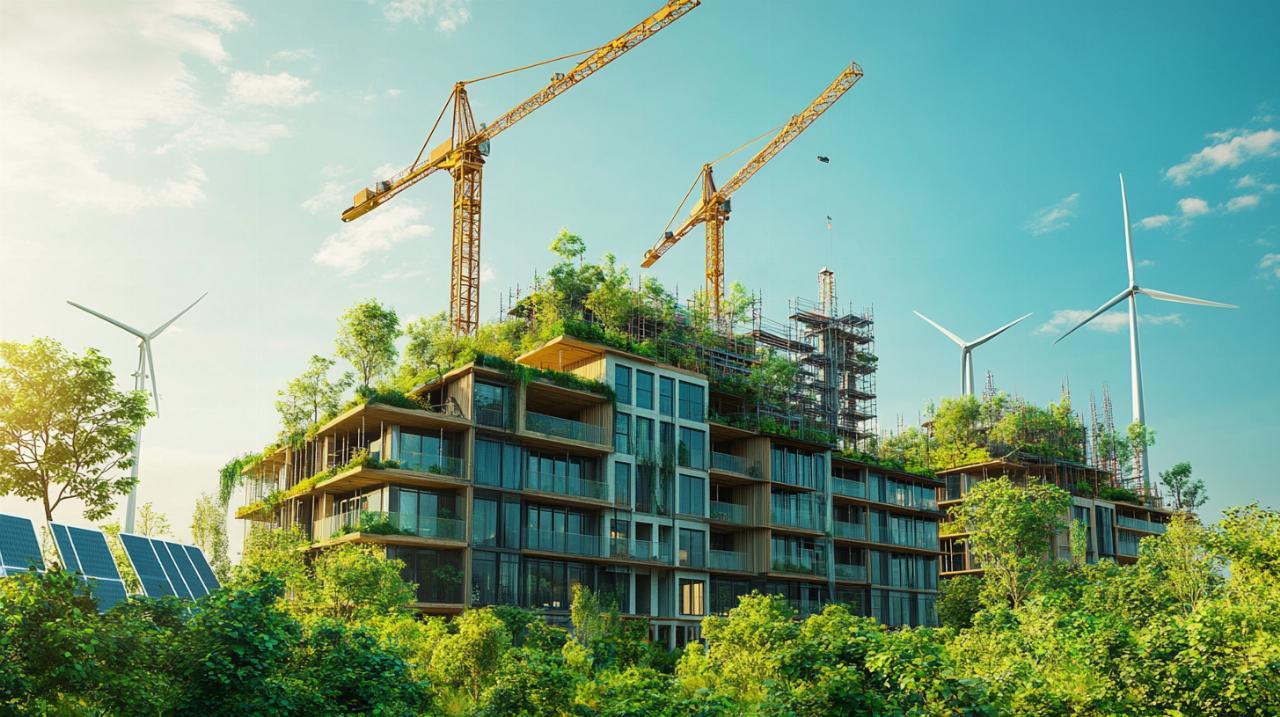
Designing for energy efficiency requires a comprehensive understanding of how buildings interact with their environment. Innovative architectural blueprints prioritise natural light, ventilation, and insulation to create spaces that require minimal artificial energy input. Effective insulation and airtight building design are fundamental to reducing energy loss, ensuring that heating and cooling systems operate at peak efficiency. Natural ventilation strategies, such as strategically placed windows and vents, harness prevailing winds to maintain comfortable indoor temperatures without relying solely on mechanical systems.
Green roofs and living walls represent another facet of eco-conscious design. These features provide insulation, support biodiversity, and help manage stormwater runoff, contributing to urban resilience in the face of climate change. They also enhance the aesthetic appeal of buildings, creating green spaces that improve the quality of urban environments. Smart technologies, including energy monitoring systems and automated controls, enable building managers to optimise energy use in real time, further enhancing efficiency and reducing operational costs.
Water conservation measures, such as rainwater harvesting and greywater recycling systems, complement energy-efficient design by reducing demand on municipal water supplies. These systems collect and treat water for non-potable uses, such as irrigation and toilet flushing, thereby conserving precious freshwater resources. The integration of these technologies requires careful planning and collaboration with experts in sustainable design, ensuring that all systems work harmoniously to achieve the desired environmental outcomes.
Site selection and orientation are also critical considerations. Choosing locations that minimise environmental disruption and promote sustainable transport options reduces the overall impact of development. Incorporating green infrastructure, such as permeable pavements and bioswales, helps manage climate change adaptation by mitigating flooding and improving water quality. By balancing budget constraints with long-term value, developers can invest in sustainable technologies and materials that deliver cost savings over the building’s lifecycle whilst contributing to a healthier planet.
Compliance with building regulations and pursuit of certifications such as LEED and BREEAM further validate a project’s commitment to sustainability. These frameworks provide benchmarks for energy efficiency, material selection, indoor environmental quality, and site planning, guiding designers and contractors towards best practices. Achieving such certifications not only enhances a building’s marketability but also demonstrates a tangible commitment to environmental responsibility and social stewardship.
Ultimately, the journey towards sustainable construction is a collaborative endeavour that involves architects, engineers, contractors, and clients working together to realise shared environmental goals. By embracing renewable energy sources, selecting sustainable materials, and implementing innovative design principles, the construction industry can lead the way in addressing climate change and fostering a more sustainable future for all.
