
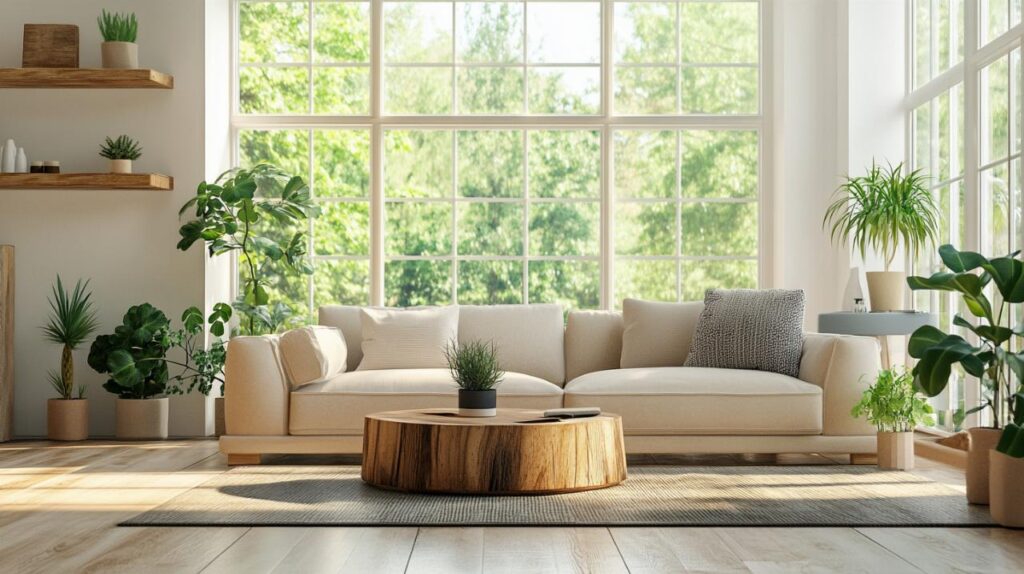
Creating a living space that reflects both personal style and environmental responsibility has become increasingly important for homeowners seeking to reduce their ecological impact. By thoughtfully selecting materials, furnishings, and finishes, it is entirely possible to cultivate a home that is both aesthetically pleasing and kind to the planet. Sustainable home decor ideas offer a pathway to transform interiors into sanctuaries that celebrate natural beauty while promoting health and wellness for both inhabitants and the wider environment.
Embracing natural materials in your home
One of the most effective ways to introduce sustainability into interior design is through the careful selection of natural materials. These resources not only bring warmth and texture to a room but also carry a smaller carbon footprint compared to synthetic alternatives. By choosing elements that are renewable and biodegradable, homeowners can make a tangible difference in their environmental impact.
The Beauty and Benefits of Wood, Bamboo, and Cork
Wood has long been cherished for its versatility and timeless appeal, but when sourced responsibly, it becomes an even more compelling choice for eco-conscious decorators. Reclaimed wood, in particular, offers a unique character and history, giving new life to materials that might otherwise end up in landfills. Bamboo flooring has emerged as a popular alternative due to its rapid growth cycle and durability, making it an excellent option for those looking to balance style with sustainability. Cork, harvested from the bark of cork oak trees without harming the tree itself, provides a soft, insulating surface that is both comfortable underfoot and environmentally sound. These natural materials contribute to biophilic design, which connects indoor spaces with the natural world and promotes a sense of calm and wellbeing.
Sustainable sourcing and certification standards
Understanding where materials come from and how they are harvested is crucial for making informed choices. Ethical sourcing ensures that the extraction and processing of natural resources do not contribute to deforestation or habitat destruction. Certifications such as GOTS certification for organic textiles provide assurance that products meet rigorous environmental and social standards. When selecting wooden furniture or bamboo accessories, looking for labels that indicate responsible forestry practices can help ensure that the beauty of your home does not come at the expense of the planet. By prioritising certified and transparently sourced materials, homeowners support sustainable practices and contribute to a more equitable global market.
Transforming indoor spaces with houseplants
Introducing greenery into the home is one of the simplest yet most impactful sustainable decor choices. Indoor plants not only enhance visual appeal but also offer tangible health benefits by improving air quality and fostering a connection to nature.
Best plants for improving air quality
Certain houseplants are particularly effective at filtering toxins and purifying indoor air, making them invaluable additions to any room. Species such as spider plants, peace lilies, and snake plants are known for their ability to absorb pollutants and release oxygen, contributing to a healthier living environment. These plants thrive in a variety of conditions, making them accessible even for those new to indoor gardening. By integrating such greenery into your decor, you embrace biophilic design principles that promote wellbeing and reduce stress, all while supporting a more sustainable lifestyle.
Creative ways to display your green collection
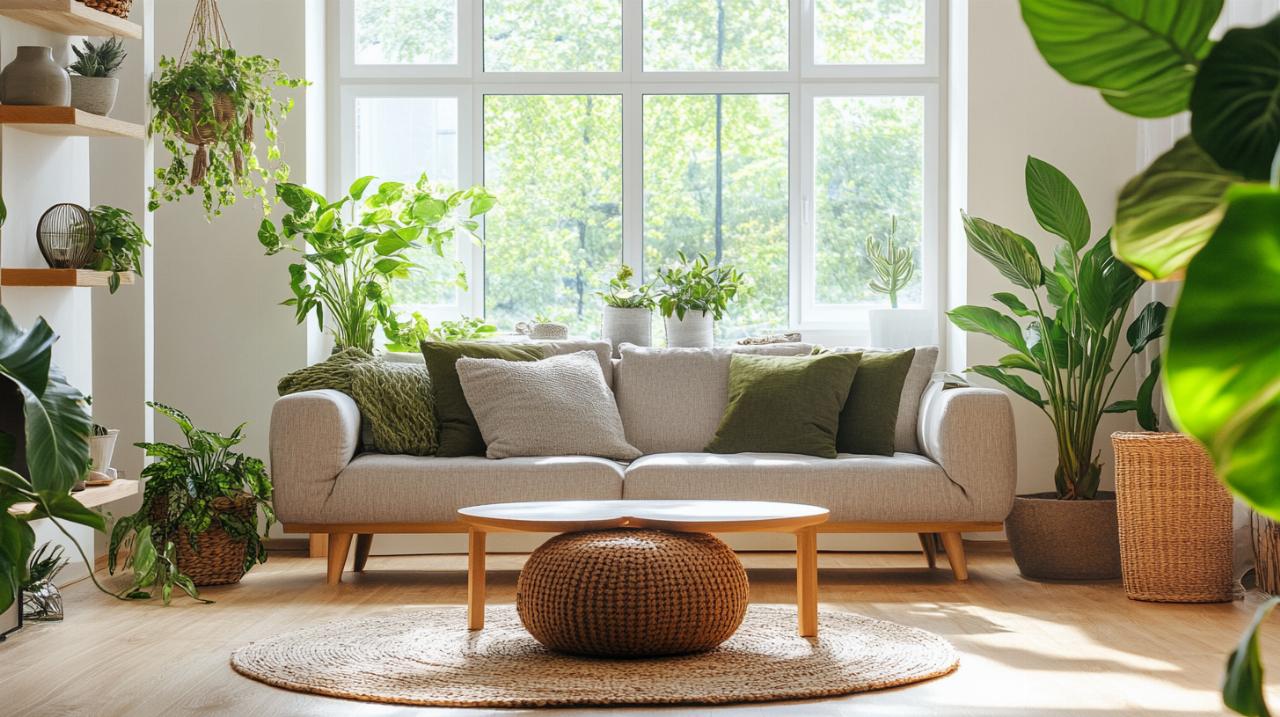
The presentation of indoor plants can be as important as the plants themselves, offering opportunities for creativity and personalisation. Hanging planters crafted from recycled materials, ceramic pots made by local artisans, and repurposed containers all provide unique ways to showcase your green collection. Grouping plants of varying heights and textures can create a dynamic focal point in a living room or bedroom, while trailing vines and cascading foliage add a sense of movement and life to otherwise static spaces. By selecting containers and display methods that align with eco-friendly values, you further reinforce the commitment to sustainable home decor ideas throughout your interior.
Eco-conscious paint and finish selections
The colour and finish of walls and woodwork play a significant role in defining the atmosphere of a room. Choosing environmentally responsible paints and treatments not only enhances aesthetics but also protects the health of household members and reduces environmental harm.
Understanding low-voc and natural paint options
Traditional paints often contain volatile organic compounds that release harmful fumes into the air, contributing to indoor pollution and posing health risks. Low VOC paint formulations have been developed to minimise these emissions, offering a safer alternative for families and pets. Natural paint options, made from plant-based pigments and mineral compounds, take sustainability a step further by using biodegradable ingredients. These eco-friendly paints are available in a wide range of colours, from calming neutrals to vibrant hues, ensuring that style need not be compromised in the pursuit of environmental responsibility. By selecting low VOC paint or natural alternatives, homeowners create healthier indoor environments and reduce the overall ecological impact of their decor choices.
Environmentally friendly wood treatments and sealants
Protecting wooden surfaces and furniture is essential for maintaining their beauty and longevity, but many conventional treatments contain harsh chemicals. Eco-conscious alternatives, such as natural oils and waxes, provide effective protection while remaining safe for both people and the planet. These products enhance the natural grain and colour of wood, adding warmth and character to furniture and flooring. Choosing environmentally friendly wood treatments and sealants complements the use of reclaimed wood and other sustainable materials, creating a cohesive and responsible approach to room design.
The Charm of Pre-Loved and Vintage Furnishings
Incorporating vintage furniture and second-hand pieces into your home is a powerful way to reduce waste and add unique character to your interiors. These items carry stories and craftsmanship that new mass-produced furniture often lacks, making them both sustainable and stylish.
Where to find quality second-hand pieces
The hunt for pre-loved furnishings can be an enjoyable and rewarding experience, with numerous sources available for those willing to explore. Antique shops, charity stores, and online marketplaces offer a diverse selection of vintage furniture and decor, often at accessible prices. Specialist retailers such as those dealing in pre-owned kitchens provide opportunities to source high-quality items that have been well-maintained and are ready for a new home. By choosing second-hand over new, you not only save resources but also support circular economy principles that extend the life of existing products and reduce the demand for new manufacturing.
Upcycling and restoring vintage furniture
Repurposing and restoring antiques and vintage furniture allows for personalisation while minimising environmental impact. A fresh coat of eco-friendly paint, new upholstery made from organic cotton or linen, or the addition of reclaimed wood accents can transform a tired piece into a centrepiece that reflects contemporary tastes. Upcycling encourages creativity and resourcefulness, turning what might be discarded into something beautiful and functional. Restored metals and vintage lighting fixtures add character and charm, while demonstrating that sustainability and style are not mutually exclusive.
Illuminating your home with energy-efficient lighting
Lighting is a fundamental aspect of home decor that influences mood, functionality, and energy consumption. By opting for energy-efficient solutions, homeowners can reduce their carbon footprint while enhancing the ambiance of their living spaces.
Led and smart bulb technologies
LED bulbs have revolutionised home lighting by offering long-lasting, energy-efficient alternatives to traditional incandescent bulbs. They consume significantly less electricity and generate less heat, contributing to lower energy bills and reduced environmental impact. Smart bulb technologies take efficiency further by allowing homeowners to control brightness, colour, and timing remotely, optimising energy use based on actual needs. These innovations support sustainable practices by minimising waste and encouraging mindful consumption, all while providing versatile lighting solutions that complement a variety of room designs.
Maximising natural light throughout your space
Harnessing natural light is one of the most effective ways to reduce reliance on artificial lighting and create a bright, welcoming atmosphere. Strategic placement of mirrors, the use of light paint colours, and the selection of sheer window treatments can all enhance the flow of daylight through your home. Maximising natural light not only supports energy conservation but also promotes wellbeing by connecting indoor spaces with the rhythms of the natural world. This approach aligns with biophilic design principles and underscores the broader commitment to sustainable home decor ideas that prioritise both environmental responsibility and human health.
