

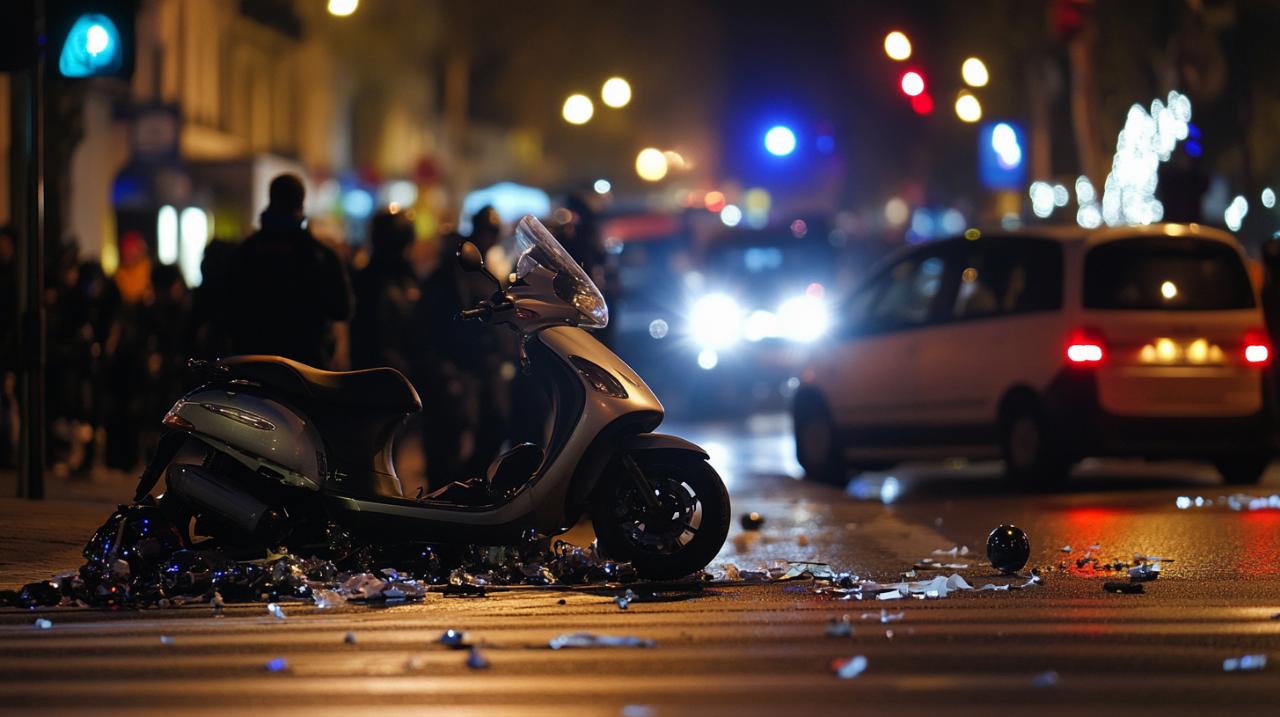
The tragic incident in Avignon involving a young man on a scooter has sent shockwaves through the community and reignited a crucial conversation about the balance between effective law enforcement and public safety. This fatal accident, which occurred during a police pursuit, underscores the urgent need to reassess how authorities manage high-speed chases in densely populated urban areas. As cities across France grapple with similar challenges, the lessons drawn from this heartbreaking event must serve as a catalyst for meaningful change in pursuit policies, officer training, and community relations.
Understanding the Circumstances Behind the Avignon Tragedy
The Events Leading to the Fatal Collision
The sequence of events that culminated in the young man's death began on an ordinary evening in Avignon, when police officers initiated a pursuit following what appeared to be a routine traffic stop attempt. Witnesses reported that the young rider, navigating through narrow streets on his scooter, accelerated rapidly upon noticing the approaching patrol vehicle. The pursuit quickly intensified as both the rider and officers manoeuvred through tight corners and congested thoroughfares, conditions that dramatically increased the risk of a catastrophic outcome. Within minutes, the chase ended in tragedy when the scooter collided with a stationary object, resulting in fatal injuries to the rider. This devastating conclusion has prompted questions about whether alternative strategies could have prevented the loss of life, particularly given the inherent dangers associated with high-speed pursuits in urban environments where pedestrians, cyclists, and other motorists are present.
Initial police response and pursuit protocol analysis
Following the incident, law enforcement authorities initiated an internal review to determine whether officers adhered to established pursuit protocols during the chase. Preliminary investigations suggest that the decision to engage in a pursuit was made in accordance with standard procedures, yet critics argue that existing guidelines may not adequately account for the specific risks posed by scooter chases in historic city centres like Avignon. The narrow medieval streets and unpredictable traffic patterns create an environment where even well-trained officers face significant challenges in maintaining safe pursuit distances and speeds. Furthermore, the analysis revealed that communication between pursuing officers and their command centre could have been more robust, potentially allowing for real-time risk assessments that might have prompted an earlier decision to disengage. This tragic outcome has highlighted the pressing need for more nuanced protocols that empower officers to make split-second decisions based on dynamic risk factors rather than relying solely on standardised pursuit guidelines that may not fit every situation.
Examining police pursuit policies and public safety measures
Current regulations governing high-speed chases in urban settings
Across the United Kingdom and much of Europe, police pursuit policies have evolved significantly over recent decades in response to numerous tragic incidents involving high-speed chases. Current regulations typically require officers to continuously evaluate the necessity and proportionality of a pursuit, weighing the severity of the suspected offence against the potential risks to public safety. In many jurisdictions, pursuits are only justified when the suspect poses an immediate and serious threat to others, such as in cases involving violent crimes or dangerous driving behaviour. However, the application of these principles in real-time situations remains complex, particularly when dealing with younger riders on scooters or motorcycles who may not fully comprehend the dangers they are creating for themselves and others. The Avignon incident has renewed calls for stricter enforcement of disengagement protocols, which would mandate officers to terminate pursuits when risks escalate beyond acceptable thresholds. Advocates for reform argue that technological alternatives, such as helicopter surveillance or advanced tracking systems, should be prioritised over direct vehicular pursuit whenever feasible, thereby reducing the likelihood of fatal outcomes while still enabling law enforcement to apprehend suspects safely.
Risk assessment frameworks for law enforcement officers
Developing effective risk assessment frameworks represents a critical component of safer pursuit management, yet the dynamic nature of urban chases makes this task exceptionally challenging. Modern frameworks emphasise the importance of continuous evaluation, requiring officers to consider factors such as traffic density, road conditions, pedestrian presence, weather, and the suspect's driving behaviour throughout the pursuit. Training programmes increasingly incorporate scenario-based exercises that simulate the split-second decision-making required during high-pressure chases, helping officers develop the instincts necessary to recognise when a pursuit should be abandoned. The Avignon tragedy demonstrates that even with comprehensive frameworks in place, the unpredictability of human behaviour and environmental variables can lead to devastating consequences. Experts suggest that future frameworks should integrate more sophisticated decision-support tools, potentially including real-time data analytics that provide officers with immediate risk scores based on multiple variables. Such innovations could empower frontline personnel to make more informed choices while maintaining accountability and transparency in pursuit decision-making processes. Ultimately, the goal is to create a culture within law enforcement that prioritises life preservation above all else, even when this means allowing a suspect to temporarily evade capture.
Rebuilding trust between young people and police forces
Community Engagement Programmes to Bridge the Divide
The relationship between young people and police forces in many urban areas has become increasingly strained, with incidents like the Avignon tragedy serving to deepen existing mistrust and resentment. Community leaders have emphasised that rebuilding this fractured relationship requires sustained and genuine efforts from law enforcement agencies to engage with youth populations in meaningful ways beyond enforcement interactions. Successful community engagement programmes often involve officers participating in youth centres, sports clubs, and educational initiatives where they can interact with young people in non-confrontational settings. These initiatives help humanise police officers while providing young people with positive role models and opportunities to voice their concerns about policing practices. In the aftermath of the Avignon incident, local authorities have announced plans to expand such programmes, including regular forums where young residents can discuss their experiences and perceptions of law enforcement with senior officers. However, critics caution that these efforts must be accompanied by tangible changes in policing practices and accountability mechanisms to be truly effective, as symbolic gestures without substantive reform risk being perceived as insincere attempts to placate an aggrieved community.
Training initiatives focused on de-escalation techniques
Recognising that many pursuit-related tragedies stem from escalating confrontations that might have been avoided, police services are increasingly investing in comprehensive de-escalation training for all officers. These programmes teach personnel to recognise early warning signs of potential flight responses and to employ communication strategies that reduce the likelihood of suspects attempting to evade capture. Effective de-escalation training also emphasises the importance of patience and tactical withdrawal, encouraging officers to consider whether immediate apprehension is truly necessary or whether suspects might be safely identified and apprehended later through investigative means. The techniques taught in these programmes draw on psychological research about human behaviour under stress, helping officers understand that aggressive pursuit tactics can paradoxically increase danger by triggering panic responses in suspects who might otherwise have complied with lawful orders. In the context of the Avignon incident, questions have been raised about whether different initial engagement strategies might have prevented the young man from fleeing in the first place. Moving forward, training initiatives must also address the specific challenges posed by scooter and motorcycle pursuits, which present unique risks due to the vehicles' manoeuvrability and vulnerability in collisions. By equipping officers with a broader repertoire of tactical options beyond direct pursuit, law enforcement agencies can reduce the frequency of dangerous chases while maintaining their capacity to protect public safety and uphold the law.
