
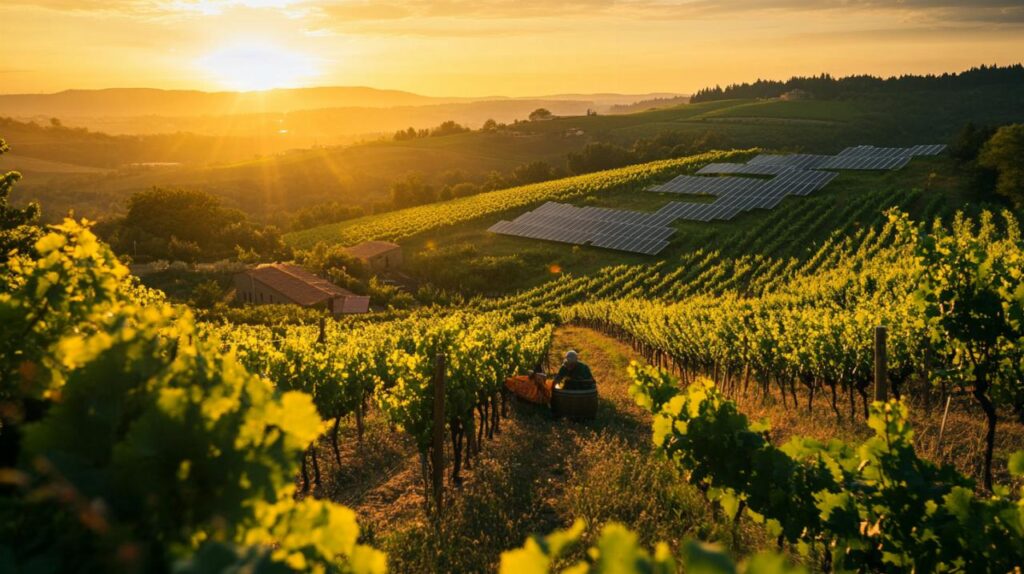
The wine industry is experiencing a transformative shift as producers across the globe recognise the urgent need to address environmental concerns. From New Zealand’s picturesque vineyards to historic European estates, winemakers are embracing innovative approaches that harmonise tradition with ecological responsibility. This evolution reflects a deeper understanding that the future of viticulture depends not merely on producing exceptional wines, but on cultivating practices that protect the land, conserve resources, and support thriving ecosystems for generations to come.
Organic and biodynamic viticulture methods
The journey towards more responsible winemaking begins in the vineyard itself, where the choice of cultivation methods fundamentally shapes both the quality of grapes and the health of the surrounding environment. Organic viticulture has emerged as a cornerstone of sustainable wine production, moving away from synthetic pesticides and fertilisers towards natural alternatives that work in harmony with existing biological systems. This approach acknowledges that healthy soil is the foundation of exceptional fruit, and that chemical interventions can disrupt the delicate balance of microorganisms essential to vine health. Producers adopting organic methods report improvements not only in environmental outcomes but also in the distinctive character of their wines, as vines nourished through natural processes express terroir more authentically.
Understanding organic certification in vineyards
Achieving organic certification represents a significant commitment that extends beyond simply eliminating synthetic chemicals. Vineyards seeking this designation must undergo rigorous assessment processes that verify compliance with established standards governing everything from soil management to pest control strategies. The certification journey typically requires a transition period during which growers gradually phase out prohibited substances whilst building soil fertility through composting, cover cropping, and other regenerative techniques. This transformation demands patience and expertise, as viticulturists learn to read natural signals and respond to challenges using biological solutions rather than quick chemical fixes. The resulting certification serves as a powerful testament to a producer’s dedication, offering consumers assurance that wines bearing this designation have been crafted with genuine environmental stewardship throughout the growing cycle.
Implementing biodynamic farming principles
Biodynamic methods take organic principles further by viewing the vineyard as a self-sustaining ecosystem operating in concert with cosmic rhythms and natural cycles. This holistic philosophy, which originated in the early twentieth century, treats the farm as a living organism where every element contributes to the whole. Practitioners prepare specific natural treatments applied according to lunar and astronomical calendars, believing these influence plant vitality and growth patterns. Whilst some aspects of biodynamic agriculture remain controversial within scientific communities, many respected producers have embraced these methods and report remarkable improvements in vine resilience and fruit quality. The approach encourages biodiversity through the integration of livestock, diverse plantings, and wildlife habitats, creating vineyards that buzz with life throughout the seasons. This reverence for natural systems aligns perfectly with broader sustainability goals, demonstrating that ancient wisdom and modern environmental consciousness can coexist productively.
Water conservation and waste reduction strategies
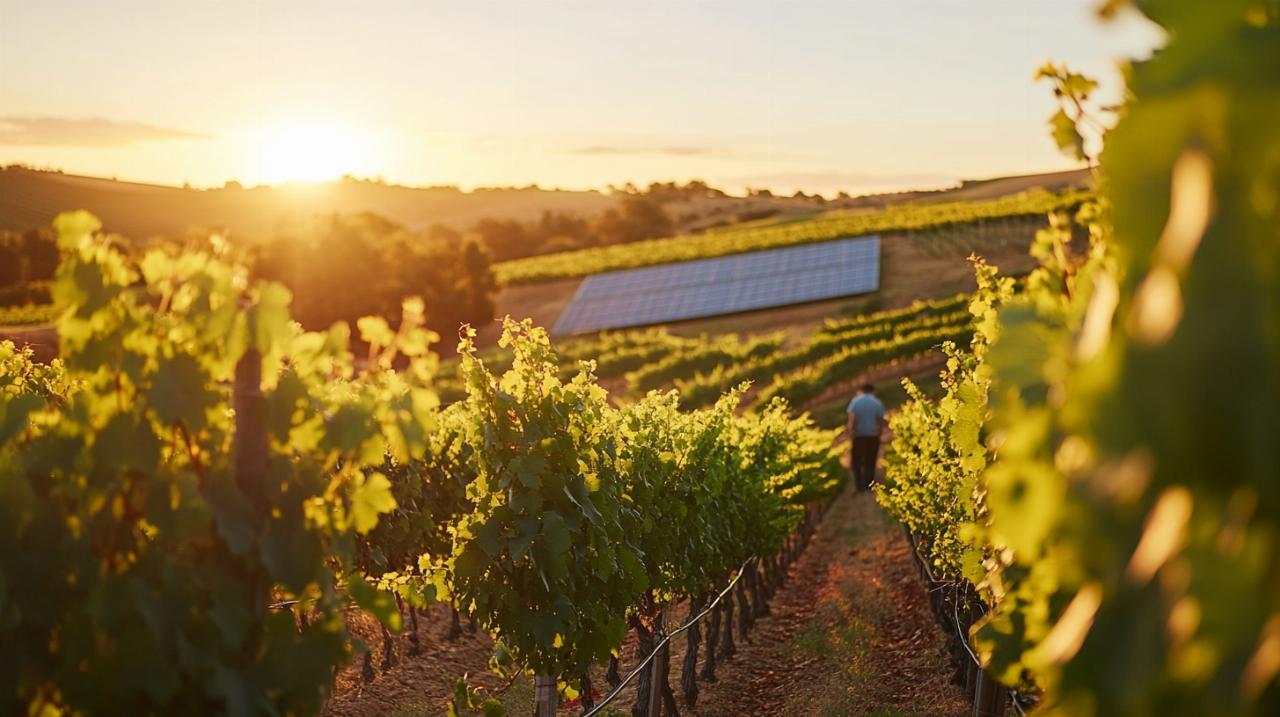
Beyond cultivation practices, sustainable wine production demands thoughtful management of finite resources, particularly water, which remains essential throughout the winemaking process. Climate change has intensified concerns about water availability in traditional wine regions, prompting innovative producers to rethink irrigation approaches and implement technologies that maximise efficiency. Simultaneously, the industry faces mounting pressure to address waste generated during production, from grape pomace to packaging materials. Forward-thinking estates are responding by embracing circular economy principles that transform byproducts into valuable resources, closing loops that previously sent materials to landfill whilst creating new revenue streams and reducing environmental impact.
Efficient irrigation techniques for vineyards
Modern vineyard management increasingly relies on sophisticated irrigation systems that deliver precise amounts of water exactly where and when vines need it most. Automated irrigation technologies equipped with soil moisture sensors allow growers to monitor conditions in real time, adjusting water application to match actual plant requirements rather than following fixed schedules that often result in overwatering. Drip irrigation systems have largely replaced wasteful overhead sprinklers in many regions, targeting root zones directly whilst minimising evaporation losses. Some pioneering producers have implemented deficit irrigation strategies that deliberately stress vines at specific growth stages, concentrating flavours in grapes whilst reducing overall water consumption. These optimisation efforts extend to winery operations as well, where water recycling systems capture and treat process water for reuse in cleaning or irrigation applications. The cumulative impact of such measures can be substantial, with leading estates reducing water consumption significantly whilst maintaining or even improving grape quality.
Minimising waste through circular economy practices
The concept of zero waste has gained traction throughout the wine sector as producers discover creative ways to valorise materials once considered disposable. Grape pomace, the solid residue remaining after pressing, can be composted to enrich vineyard soils, distilled into spirits, or even processed into animal feed and cosmetic ingredients. Packaging represents another critical focus area, with many estates transitioning to lightweight glass bottles that reduce both raw material usage and transportation emissions. Clos du Val and Champagne Telmont exemplify this trend, having adopted lighter bottle designs without compromising the perceived quality or protection of their wines. Some producers have gone further by exploring alternative packaging formats including kegs, boxes, and even canned wines that dramatically reduce glass consumption. Energy efficiency improvements and renewable energy adoption complement these efforts, with solar energy systems increasingly visible across vineyard landscapes. Journey’s End made history as the first South African winery to achieve B Corp Certification, demonstrating that rigorous third-party verification of social and environmental performance is attainable within the wine industry. Meanwhile, González Byass reported impressive achievements including a reduction in emissions and substantial proportions of certified sustainable vineyards across their portfolio. These examples illustrate how comprehensive sustainability strategies addressing multiple dimensions simultaneously can yield measurable progress whilst inspiring broader industry transformation. Engaging with frameworks such as the Sustainable Viticulture Protocol provides growers with structured pathways for implementing best practices and documenting their environmental stewardship, fostering cross-sector collaboration that accelerates the transition towards truly regenerative agriculture across the global wine community.
