
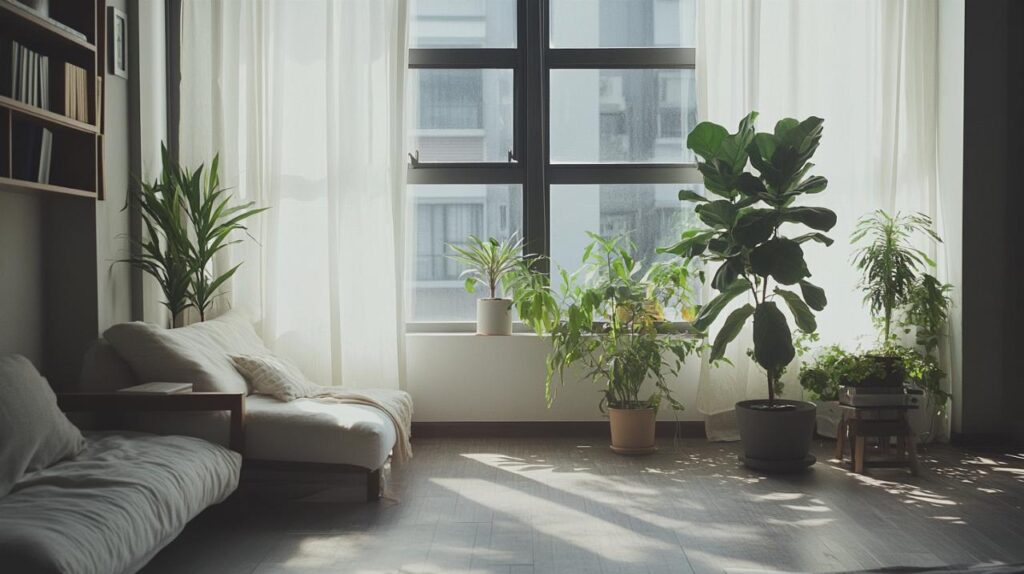
Creating a well-organised home transforms daily life, making routines smoother and spaces more inviting. Whether you live in a compact flat or a sprawling house, thoughtful strategies can help you reclaim precious floor space and establish a sense of calm. By embracing practical methods and developing consistent habits, anyone can achieve a tidy, efficient living environment that supports both productivity and relaxation.
Establishing effective decluttering and storage systems
Implementing regular decluttering schedules and sorting methods
Decluttering is the foundation of any successful home organisation effort. Many people find themselves overwhelmed by the sheer volume of possessions accumulated over the years, from stacks of books to forgotten kitchen gadgets. Elizabeth Metcalfe, for instance, faced the daunting task of sorting through thirty boxes of books, a situation that left her feeling buried under clutter. Professional declutterer Mimi Bogelund, who charges thirty-five pounds per hour with a minimum booking of three hours, follows the KonMari method developed by Marie Kondo. This systematic approach encourages sorting belongings by category rather than by room, tackling clothes first, then books, papers, kitchen items, and finally sentimental mementoes. By focusing on one category at a time, the process becomes less daunting and more manageable.
Emotional attachment plays a significant role in decluttering. Mimi emphasises the importance of recognising which items genuinely bring joy or serve a purpose, and which simply take up space. Breaking the task into manageable chunks prevents burnout and ensures steady progress. If a category feels too large, creating subcategories can help. For example, clothing can be divided into seasonal wardrobes or types such as outerwear and casual wear. Setting aside dedicated time for decluttering, whether an hour on a weekend or a few minutes each evening, yields rewarding results over time. For those seeking additional guidance, you might click here for tips on maintaining momentum and avoiding common pitfalls.
Once you have sorted through your belongings, deciding what to do with unwanted items is the next step. Donating to charity, sharing through local Facebook groups, or selling on platforms like Vinted or eBay are all viable options that reduce waste and help others. Implementing a one-in-one-out rule can prevent clutter from returning. This means that for every new item brought into the home, an existing item is removed. Such a habit encourages mindful consumption and keeps possessions in check.
Maximising space with practical storage solutions and containers
After decluttering, the next challenge is organising what remains in a way that maximises available space. Small houses and flats benefit enormously from creative use of vertical space. Shelving units, wall-mounted hooks, and overhead storage racks can transform underused areas into functional zones. Abby Lawson, who has shared her experiences living in compact spaces, highlights the importance of keeping items off the floor to reduce visual clutter and create a sense of openness.
Closet maximisation is another key area. Utilising hanging organisers, drawer dividers, and slim hangers can significantly increase storage capacity. For books, consider vertical stacking or installing shelves that reach towards the ceiling. Kitchen items can be stored in clear containers or baskets, making it easy to see what you have and avoid duplicate purchases. Defining separate zones within each room helps to clarify the purpose of each space, whether it is for work, relaxation, or dining.
Practical storage solutions need not be expensive or elaborate. Repurposing boxes, baskets, and jars can provide stylish and functional containers. The goal is to ensure that every item has a designated place, which simplifies tidying and retrieval. When everything has a home, maintaining order becomes second nature.
Creating sustainable organisation habits for long-term tidiness
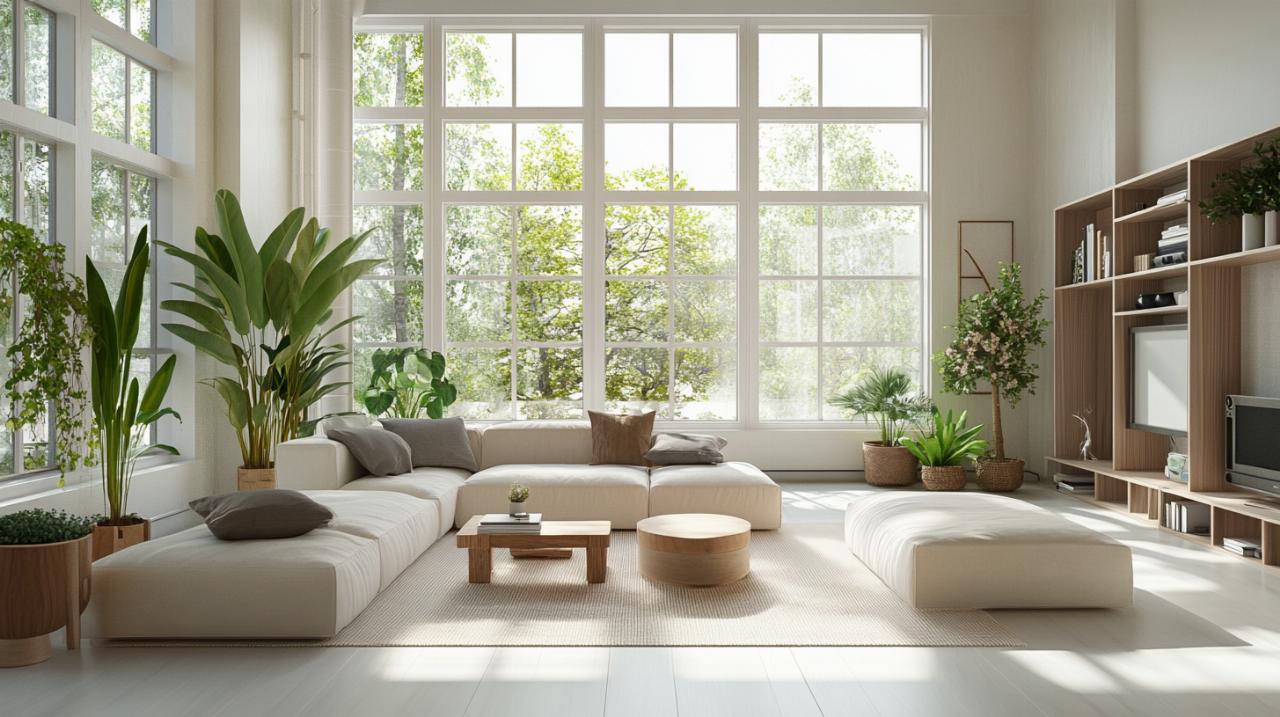
Categorising and labelling belongings for swift retrieval
Organisation is an ongoing task rather than a one-time event. Once the initial decluttering and sorting are complete, developing systems for categorisation and labelling ensures that order is maintained. Pulling everything out of a cupboard or drawer before reorganising allows you to see the full extent of what you own and decide on the best arrangement. This method also reveals duplicate items or things that no longer serve a purpose.
Labelling containers and shelves is a simple yet powerful tool for swift retrieval. Whether using handwritten tags, printed labels, or label makers, clear identification prevents items from becoming lost or misplaced. This is especially useful in shared households, where everyone can quickly find what they need without rummaging through drawers. Labelling also encourages accountability, as it becomes immediately obvious when something is not returned to its proper place.
Categorisation should reflect how you use items. For instance, grouping cleaning supplies together in a caddy or basket makes household tasks more efficient. Similarly, organising wardrobe items by type or colour streamlines getting dressed in the morning. The key is to create a system that feels intuitive and requires minimal effort to maintain.
Developing daily routines to maintain an orderly home
Sustaining a tidy home requires consistent effort, but this does not mean hours of cleaning each day. Spending just a few minutes tidying up before bed or after meals can prevent clutter from accumulating. Daily routines, such as putting items back in their designated places and clearing surfaces, help maintain the sense of order achieved through decluttering and organising.
Defining the purpose of each room can also guide organisation efforts. A bedroom should be a restful retreat, free from work materials or exercise equipment. A kitchen should be functional and streamlined, with frequently used items within easy reach. By clarifying these purposes, you can make decisions about what belongs in each space and what should be relocated or removed.
Ongoing maintenance is about creating habits that become second nature. This might include a weekly review of one area, such as a wardrobe or a kitchen drawer, to ensure it remains orderly. It might also involve regular purging of items that are no longer needed, preventing the gradual return of clutter. The reward for these efforts is a home that supports your lifestyle, offering space for what you love and need while reducing stress and saving time.
Ultimately, home organisation is not about achieving perfection but about creating an environment that enhances daily life. By establishing effective decluttering and storage systems, and by developing sustainable habits, you can enjoy a more efficient and harmonious living space that adapts to your changing needs.
