
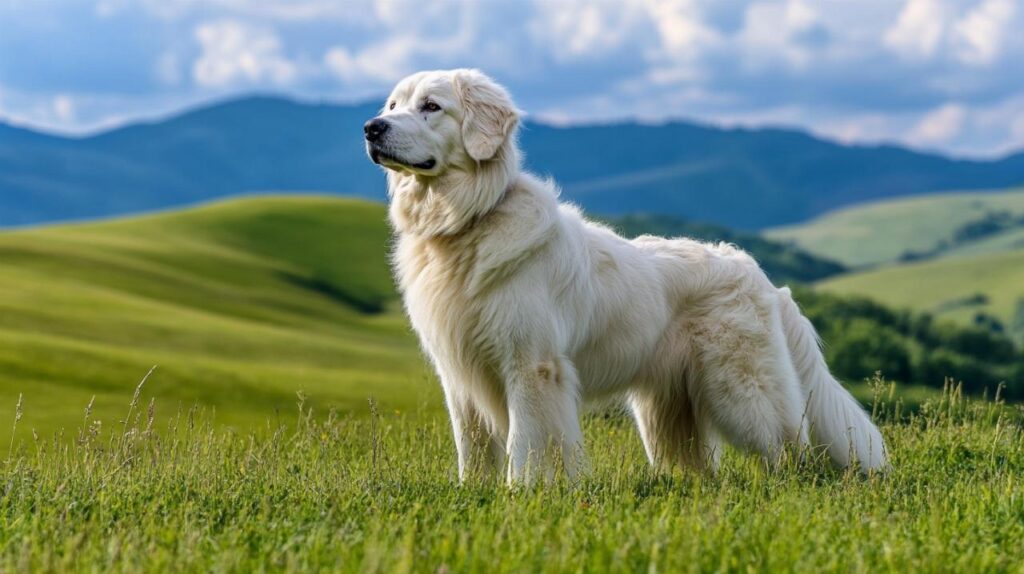
The Slovensky Cuvac stands as a remarkable example of a working dog with deep roots in the pastoral traditions of Slovakia. This large white guardian breed has been a steadfast companion to shepherds for centuries, offering protection and loyalty in the rugged terrains of central Europe. For those considering welcoming this majestic breed into their homes, understanding the specific health challenges and care requirements is essential to ensuring a long and fulfilling partnership with your canine companion.
Hereditary and Genetic Health Issues in the Slovensky Cuvac
Like many large breeds, the Slovak Cuvac is predisposed to certain hereditary conditions that prospective owners must be aware of. These health concerns are often linked to the breed's robust size and historical development as a working dog. Recognising the signs early and maintaining vigilance through regular veterinary checks can make a significant difference in managing these issues effectively.
Hip and elbow dysplasia: understanding joint health
Hip dysplasia remains one of the most common health challenges faced by owners of this breed. This condition occurs when the hip joint develops improperly, leading to a loose fit between the ball and socket. Over time, this abnormal development can result in painful arthritis and reduced mobility. Given that females typically weigh between thirty-one and thirty-seven kilogrammes and males can reach up to forty-four kilogrammes, the strain on the joints is considerable. The thick bones and broad chest of the Cuvac contribute to their strength, yet also place additional stress on the skeletal system. Elbow dysplasia, though less frequently discussed, can also affect this breed and shares similar developmental origins. Both conditions may be exacerbated by rapid growth during puppyhood, making careful management of diet and exercise during these formative months particularly important. Responsible breeders will screen their stock for these conditions, and prospective owners should always request health clearances before committing to a puppy. Weight management throughout the dog's life is crucial, as excess weight places additional pressure on already vulnerable joints. Regular, moderate exercise on soft surfaces can help maintain muscle tone without overloading the joints, while supplements such as glucosamine and chondroitin may offer supportive benefits under veterinary guidance.
Eye Conditions and Vision Problems in the Breed
While the Slovak Cuvac is renowned for its keen senses, particularly its acute hearing that gives the breed its very name, eye health should not be overlooked. Large white dog breeds can sometimes be prone to conditions such as progressive retinal atrophy, a degenerative disorder that gradually leads to vision loss. Cataracts may also develop, particularly in older dogs, clouding the lens and impairing sight. Regular eye examinations by a veterinary ophthalmologist can help detect early signs of trouble, allowing for timely intervention. Although the breed's alert and watchful nature means they rely heavily on their vision to guard their territory, early detection of any issues ensures that quality of life remains high even if some visual impairment occurs. Owners should be attentive to signs such as cloudiness in the eyes, excessive tearing, or reluctance to navigate in dim lighting. Given the breed's historical role in sheep farming and protection from predators, maintaining optimal sensory health supports their natural instincts and overall wellbeing.
Preventative care and routine health management
Proactive health management forms the cornerstone of responsible ownership for any large breed, and the Slovensky Cuvac is no exception. Establishing a consistent routine of preventative care not only safeguards against common ailments but also strengthens the bond between guardian and dog through regular interaction and attention to their needs.
Essential vaccination schedules and parasite control
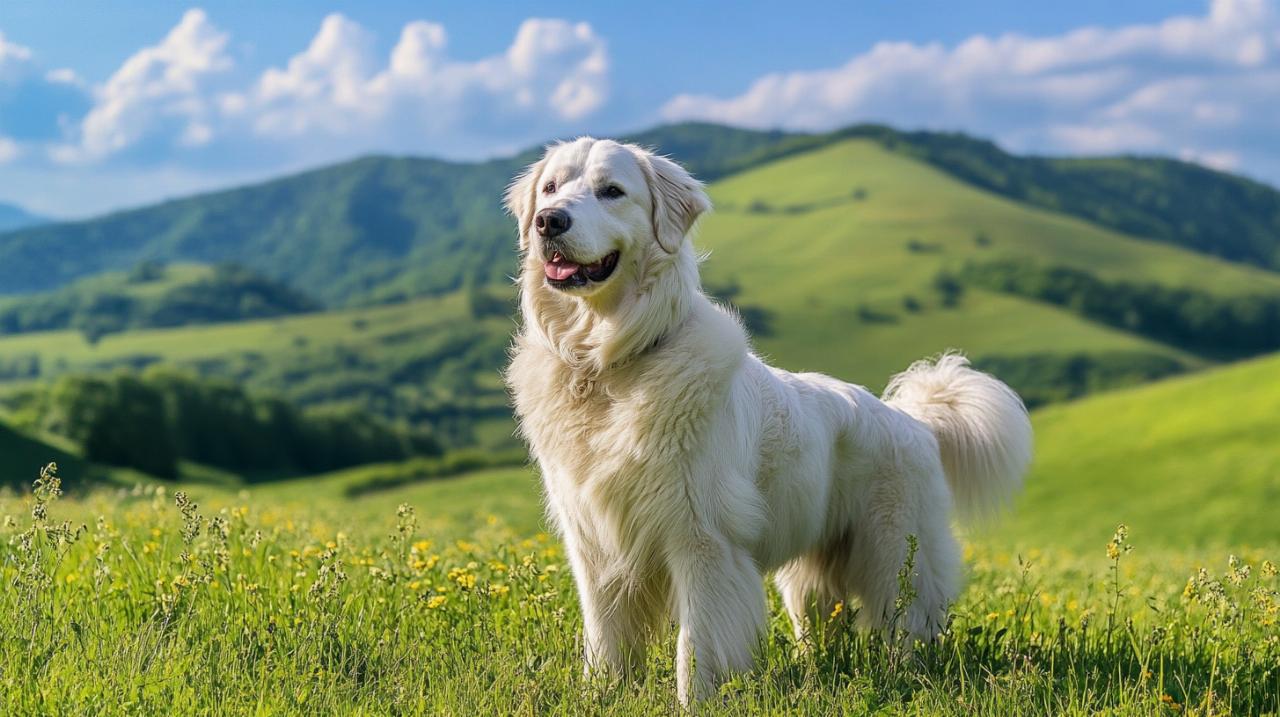
Keeping your Cuvac up to date with vaccinations is fundamental to protecting them from infectious diseases. Core vaccines typically include protection against distemper, parvovirus, adenovirus, and rabies, with the initial series administered during puppyhood followed by regular boosters as recommended by your veterinarian. Given that this breed thrives in rural environments with ample outdoor space, exposure to parasites such as ticks, fleas, and intestinal worms is a genuine concern. Regular use of preventative treatments tailored to your dog's weight and lifestyle can minimise these risks. The breed's luxurious white fur coat, while beautiful, can make spotting external parasites challenging, so routine grooming sessions should include thorough checks for any unwanted visitors. Heartworm prevention is equally important, particularly if you live in or travel to areas where mosquitoes are prevalent. Maintaining a detailed health record and scheduling annual wellness examinations ensures that any emerging issues are caught early, keeping your faithful companion in peak condition.
Dental Hygiene and Coat Maintenance for Your Cuvac
Dental health is often underestimated in dogs, yet it plays a critical role in overall wellbeing. The Slovak Cuvac, like all breeds, can suffer from periodontal disease if oral hygiene is neglected. Regular brushing with canine toothpaste, along with dental chews and professional cleanings when necessary, helps prevent the build-up of tartar and reduces the risk of painful infections. Poor dental health can lead to systemic issues affecting the heart and kidneys, so this aspect of care should never be overlooked. The breed's double white coat, while providing excellent weather protection, demands high grooming maintenance. The dense undercoat, combined with a longer outer layer, can mat if not brushed regularly, particularly during shedding season when the dog loses its thick winter insulation. Weekly brushing is essential, increasing to daily sessions when the coat is blowing. Bathing should be done as needed to keep the coat pristine, but over-bathing can strip natural oils and lead to skin irritation. Checking the ears during grooming sessions is vital, as the breed's keen hearing and alert nature mean that ear infections can be particularly distressing and disruptive. Trimming nails regularly and inspecting paw pads for cracks or foreign objects completes the comprehensive care routine that keeps your Cuvac comfortable and healthy.
Nutrition and Exercise Requirements for Optimal Wellbeing
The active nature of the Slovensky Cuvac means that meeting their nutritional and physical needs is a daily commitment. This breed was developed for demanding work in challenging environments, and even when kept as a companion, those instincts and energy levels remain strong. Tailoring their diet and exercise regimen to support their robust physique and mental sharpness is key to a thriving life together.
Balanced Diet Plans for Working and Companion Cuvacs
Feeding a large breed dog requires careful consideration of both quantity and quality. The Cuvac's substantial frame, with males standing between sixty-two and seventy centimetres tall and females measuring fifty-nine to sixty-five centimetres, demands a diet rich in high-quality protein to support muscle maintenance and overall health. A balanced diet should include lean meats, wholesome grains or alternative carbohydrates, and essential fatty acids to promote a healthy coat and skin. Portion control is crucial to prevent obesity, which can exacerbate joint problems such as hip dysplasia and increase the risk of bloat, a life-threatening condition where the stomach twists and traps gas. Bloat is particularly concerning in deep-chested breeds, so feeding smaller, more frequent meals rather than one large portion can reduce risk. Avoiding vigorous exercise immediately before and after meals further minimises the chance of this emergency occurring. Puppies require specially formulated large breed puppy food that supports steady, controlled growth, preventing the rapid weight gain that can stress developing joints. As your Cuvac matures, transitioning to an adult formula and eventually a senior diet ensures their changing nutritional needs are met throughout their lifespan. Consulting with your veterinarian to tailor the diet to your dog's activity level, age, and any health conditions is always advisable.
Physical activity needs and mental stimulation
The Slovensky Cuvac is a very active breed that thrives on outdoor activities and requires significant exercise to remain content and well-behaved. Descended from Arctic wolves and historically tasked with protecting sheep from predators since the seventeenth century, this breed possesses both stamina and a strong work ethic. Daily walks alone are insufficient for a Cuvac; they need ample opportunity to run, explore, and engage in activities that challenge both body and mind. A rural environment with plenty of outdoor space is ideal, as the breed's territorial nature and protective instincts are best suited to settings where they have room to patrol and monitor their surroundings. Without adequate physical and mental stimulation, a Cuvac may become bored and develop undesirable behaviours such as excessive barking, digging, or destructive chewing. Training sessions that incorporate obedience work and problem-solving tasks tap into the breed's intelligence and strong-willed nature, providing the mental engagement they crave. An experienced handler is necessary, as the breed's independent streak and natural guarding instincts require firm, consistent, and positive reinforcement methods. Socialisation from a young age is essential to ensure that your Cuvac is well-mannered and confident in a variety of situations, helping to temper their protective tendencies without diminishing their loyalty and courage. Activities such as hiking, agility training, and even participation in herding trials can provide excellent outlets for their energy and innate abilities. By meeting both the physical and mental needs of your Slovak Cuvac, you foster a harmonious relationship and support the overall health and happiness of this remarkable guardian breed.
